Results 1 - 10 of 12 (Sorted by date)
Working Paper
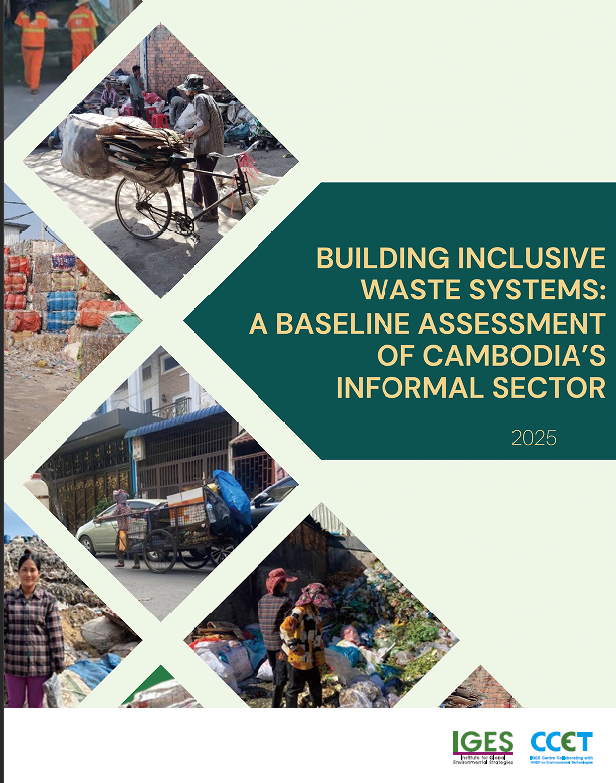
This report provides a baseline assessment of Cambodia’s informal waste sector, with a focus on Phnom Penh and Battambang. Informal waste workers, including street pickers, door-to-door collectors, pickers at landfills and junkshop operators, play a critical yet undervalued role in the country’s waste management system. They are responsible for a...
Translation of non-IGES Material
Author:
International Resource Panel
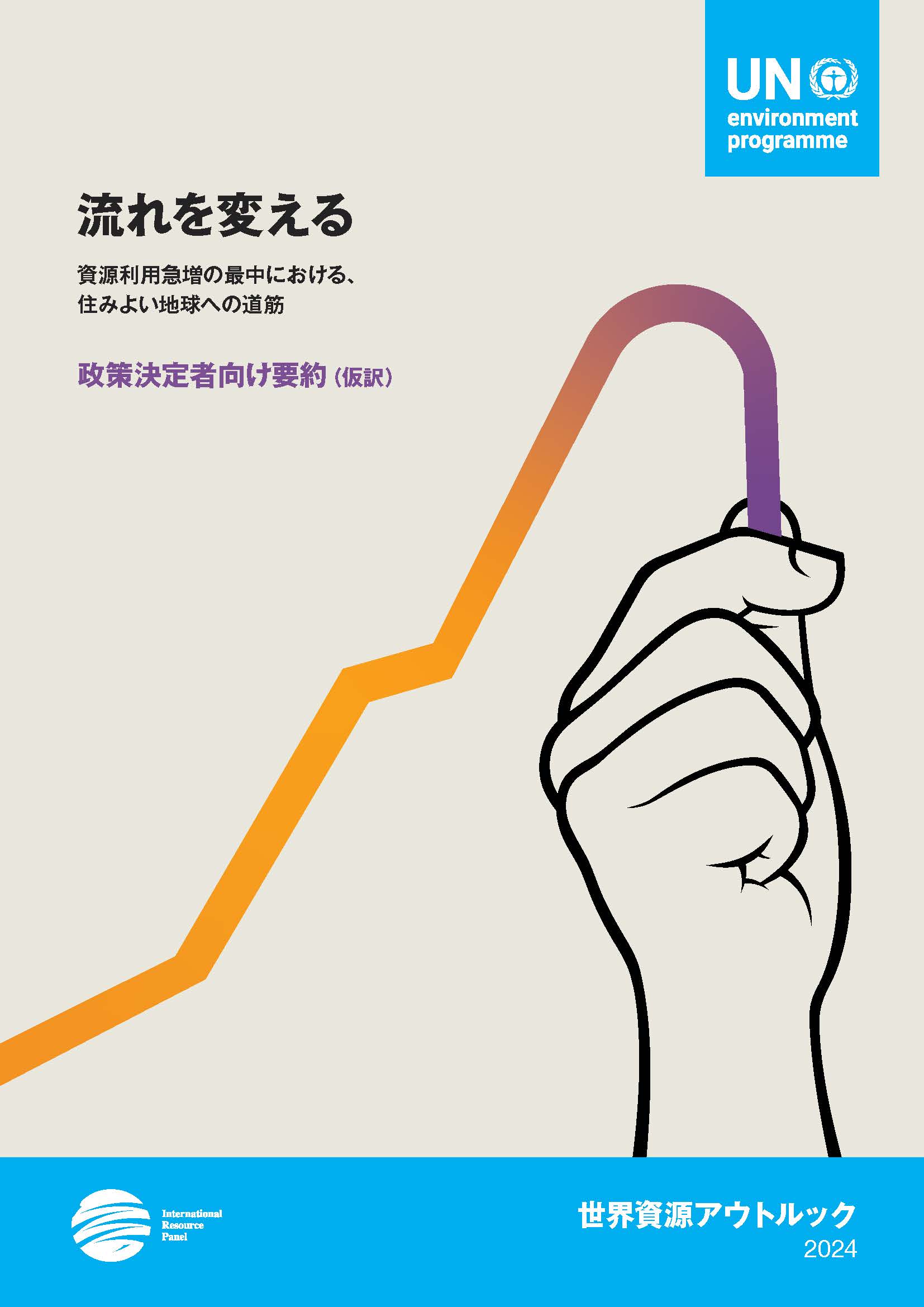
本書は、2024年2月UNEA6にて発表された、世界資源アウトルック(GRO)2024の内容をコンパクトにまとめた政策決定者向け要約(SPM:Summary for Policymakers)の日本語版。7つの地域、4つの所得国グループに及ぶ180カ国について、利用可能な最善のデータ、モデリングおよび評価を動員し、我々の資源利用の動向、影響、分配効果に関する分析をまとめるとともに、負の傾向を逆転させ、人類を持続可能な軌道へ乗せる可能性についても考察している。 資源利用量の増加が3つの地球危機(気候変動・生物多様性の喪失・汚染)の主な要因となっている。我々の経済活動のための物質資源の採取・加工は、過去50年間で3倍に増加、現在、温室効果ガス排出量の55%以上、粒子状物質(PM...
Peer-reviewed Article
In Sustainability
There is a growing recognition of the urgent need to change citizens’ lifestyles to realise decarbonised societies. Consumption-based accounting (carbon footprinting) is a helpful indicator for measuring the impacts of peoples’ consumption on climate change by capturing both direct and embedded carbon emissions. However, while carbon footprinting...
Issue Brief
Author:
Gohar
Khojayan
Dumisami
Chirambo
Lylian
Rodríguez Jiménez
Marcelo
Matus
Juan
Gammarra
Jose
Bernardo B. Gochoco III,
Katrina
Toliongco
In the face of the severe impacts of anthropogenic climate change, recognition of the climate crisis has been largely shared worldwide. The climate crisis is just one symptom of ecological overshoot; humans are currently using more resources and producing more waste than Earth can sustain. Biodiversity loss and resource depletion have also been...
Discussion Paper
Our lifestyles, through the impacts of our day-to-day activities such as eating, moving and commuting, heating and cooling our homes, taking work and care responsibilities, and so on, have become major threats to the sustainability of the environment. We are living beyond our ecological means and experiencing both very serious impacts on...
Discussion Paper
私達の日々の暮らしを営む行動、例えば食べる、移動する、家を暖めたり冷やしたりする、家族の世話をする、働くといった行動は、環境のサステナビリティに大きな影響を与える要素の1つである。私達は、地球や地域の環境容量を超えたものを消費し、生物多様性、生態系や気候に取り返しのつかない影響を及ぼしている。それだけではない。現在の私達の暮らしは、社会的な不平等を広げ、心と体の健康を害している。経済発展と都市化が多くの国で続くと予想されるなかで、私達の大量消費型の暮らしを、環境や社会への影響が少ない責任ある暮らしに変えていく必要がある。また同時に、多くの社会において、人々が環境、経済や社会の状況の急激な変化に見舞われ、安定と安全を欠く暮らしをしているということも事実である。私達は...
Discussion Paper
Our lifestyles, through the impacts of our day-to-day activities such as eating, moving and commuting, heating and cooling our homes, taking work and care responsibilities, and so on, have become major threats to the sustainability of the environment. We are living beyond our ecological means and experiencing both very serious impacts on...
Peer-reviewed Article
In Sustainability
The recognition of the urgent need for more sustainable lifestyles dates from the late 20th century, originating in concerns about resource depletion and climate change. Research and policy measures have evolved since then, paying increasing attention to systemic change over individual behaviour. However, as individual behavioural change is...
Discussion Paper
Our lifestyles, through the impacts of our day-to-day activities such as eating, moving and commuting, heating and cooling our homes, caring, working, and so on, have become major threats to the sustainability of the environment. While continued economic growth and urbanisation in many countries are expected, it is imperative to consider how we...
Discussion Paper
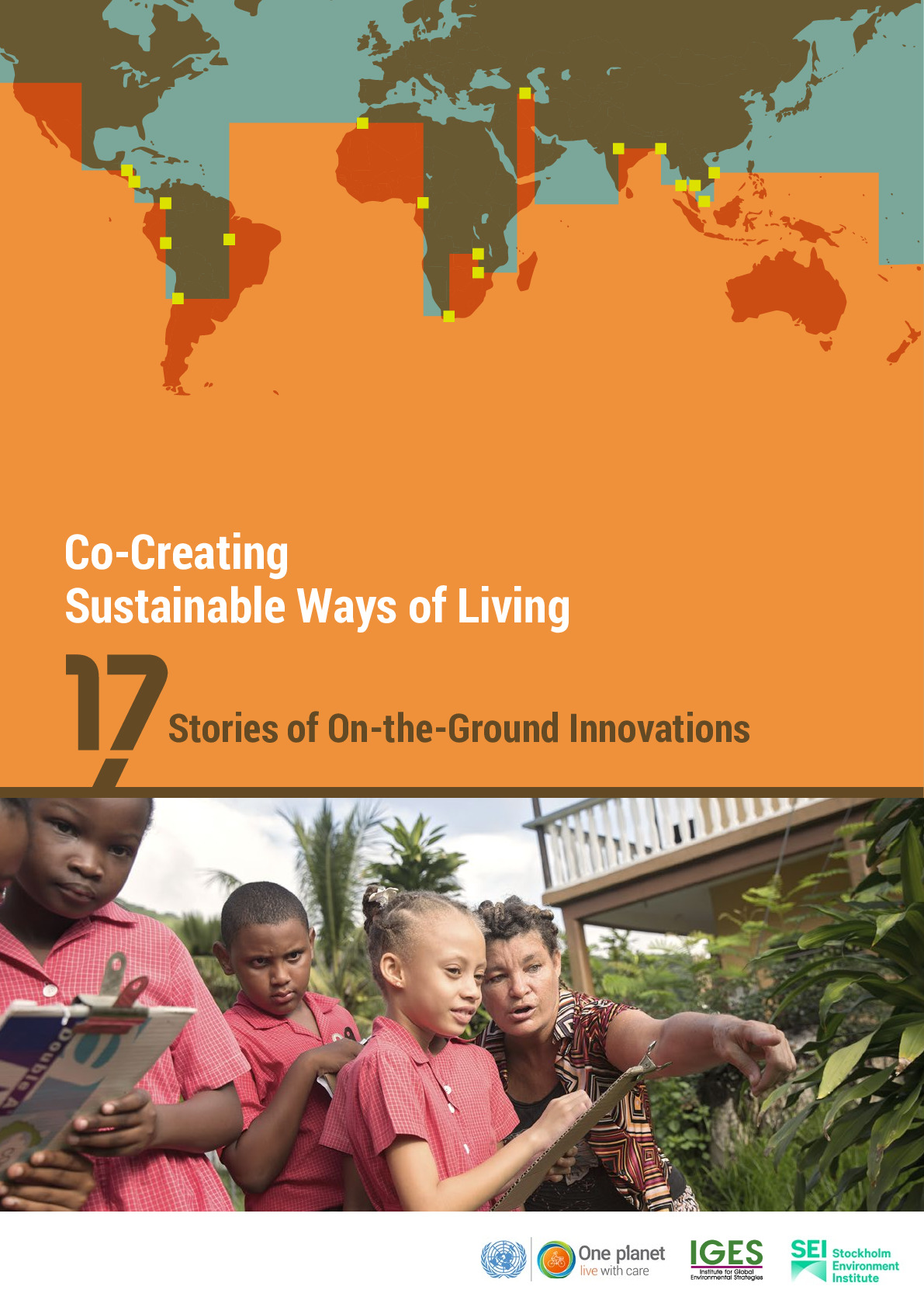
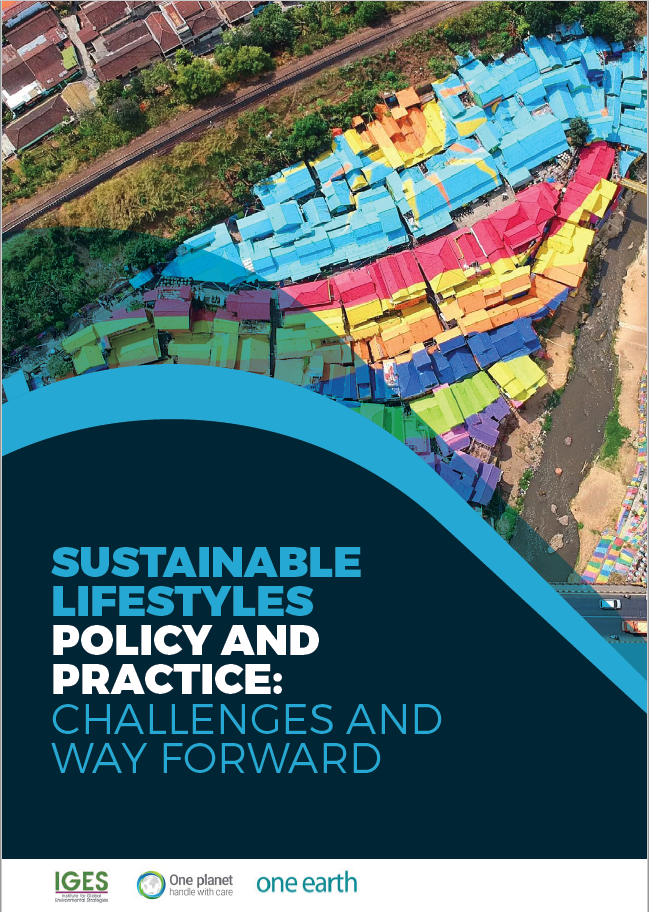
Sustainable Lifestyles Policy and Practice: Challenges and Way Forward provides an overview of the current (2019) situation for sustainable lifestyles globally. It includes 32 case studies from around the world, showing on-going efforts to support the transition to sustainable ways of living. The key messages of the publication are: There are...