This report summarizes the best practices of the JCM contributions to the SDG achievement, which shows how each project links with the SDG Goals. It covers different types of projects developed in Cambodia, Myanmar, Palau, Saudi Arabia, Kenya, Mongolia, Indonesia, Viet Nam and Bangladesh. Various energy efficiency technologies in different...
Results 2501 - 2510 of 6465 (Sorted by date)
In KOSMOS
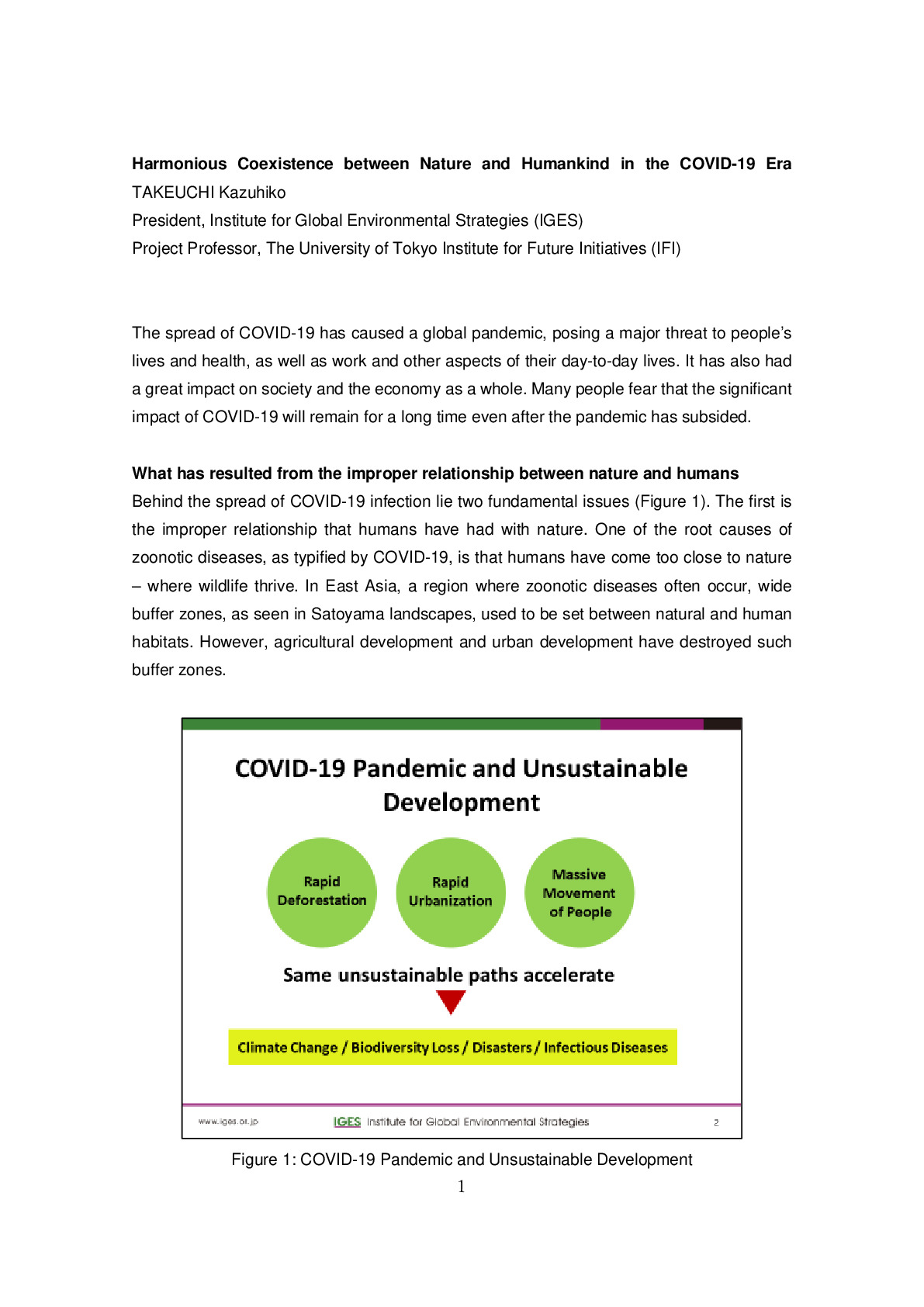
This article was originally published in KOSMOS 7 (2020), a publication of the Expo '90 Foundation. This article discusses the need to redesign society to realise transformative change and to reconsider the relationship between humans and nature, which is considered to be a root cause of the pandemic of COVID-19. The Triple R Framework proposed by...
In Asia-Pacific Journal of Regional Science
In the early 2000s, Japan instituted the Great Heisei Consolidation, a national strategy to promote large-scale municipal mergers. This study analyzes the impact that this strategy could have on watershed management. We select the Lake Kasumigaura Basin, the second largest lake in Japan, for the case study and construct a dynamic expanded input...
In One Earth
While calls for interdisciplinary research in environmental contexts are common, it often remains a struggle to integrate humanities/qualitative social sciences insights with those of bio-physical approaches. We propose that cross-disciplinary historical perspectives can open new avenues for collaboration among social and natural scientists while...
This publication aims to promote local climate actions by disseminating information on the announcement by 31 local governments in the Kyushu region of Japan on their commitment to be “Zero Carbon Cities” by 2050. It compiles the background, current situation and challenges, along with domestic and international trends on a net zero carbon society.
In Environmental Research Letters
With the intensifying challenges of global sustainability and biodiversity conservation, the monitoring of the world's remaining forests has become more important than ever. Today, Earth observation technologies, particularly remote sensing, are at the forefront of forest cover monitoring worldwide. Given the current conceptual understanding of...
In Water
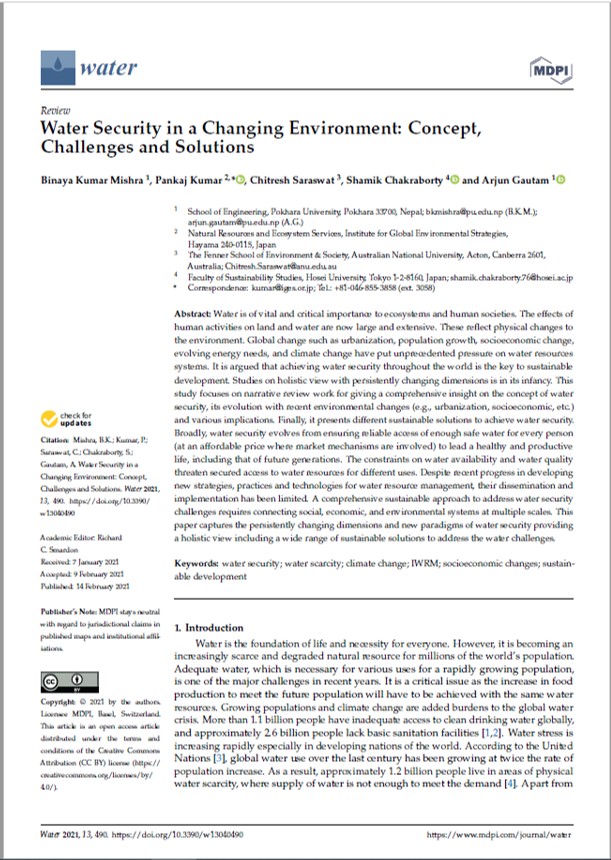
Water is of vital and critical importance to ecosystems and human societies. The effects of human activities on land and water are now large and extensive. These reflect physical changes to the environment. Global change such as urbanization, population growth, socioeconomic change, evolving energy needs, and climate change have put unprecedented...
JCM Global Partnership meeting
This presentation was given at the JCM Global Partnership meeting on Feb 17-19 2021. It provides the sustainable development under Art 6 and JCM; linkages between the JCM and SDGs; and future potential contributions to the achievement of SDGs. In addition, it briefly explains JCM potentials to the COVID-19 recovery plan in the partner countries...
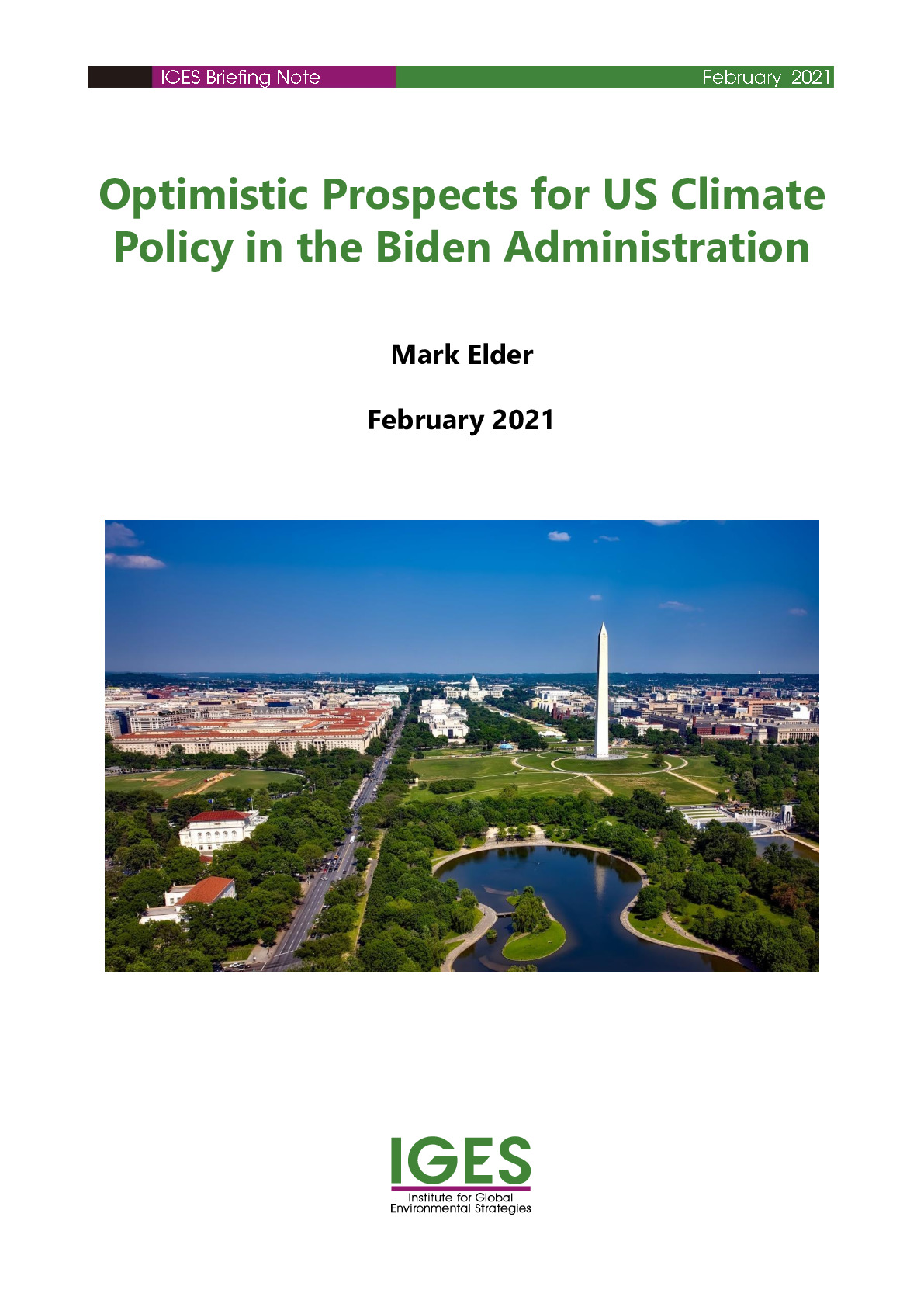
This briefing note considers the prospects for the Biden administration’s climate policy. It surveys the main elements of the Biden administration’s climate policies in his first month in office, as well as what is not included, and it speculates on the potential for these policies to be adopted and implemented. Key personnel and the overall...
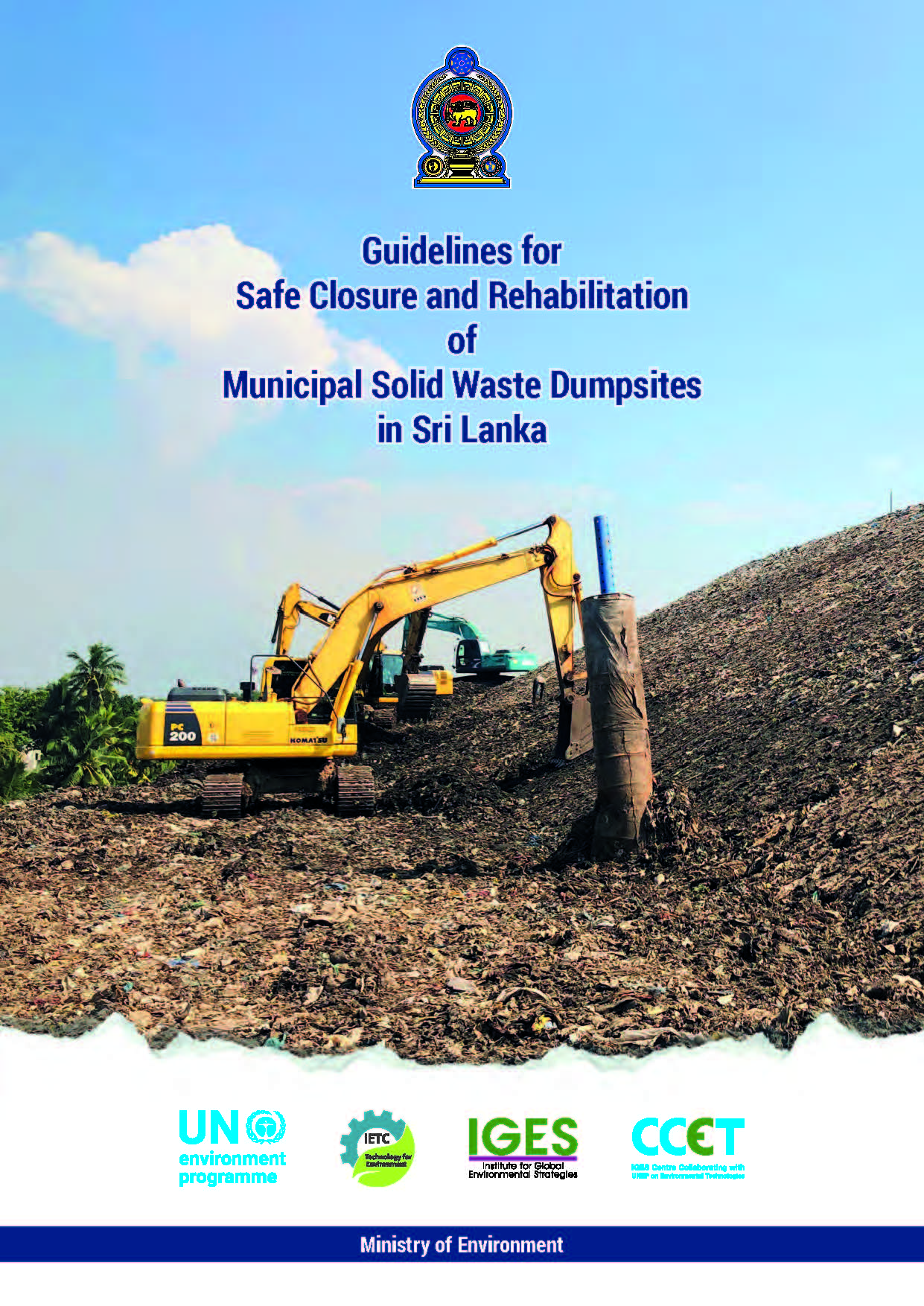
Municipal Solid Waste (MSW) management, particularly final disposal as open dumps has become a global issue. Worldwide, dumpsites are the third largest anthropogenic source of methane, accounting for 11 percent of estimated global methane emissions or 881 million tonnes of CO2 equivalent. The 50 largest dumpsites affect the daily lives of 64...