The Asian Co-benefits Partnership (ACP) was created to support the mainstreaming of co-benefits into projects and policies in Asia and the Pacific in 2010. The increase in the number of policies featuring cobenefits in Asia and the Pacific suggests the ACP has had some success achieving this objective. Recent changes in the international climate...
Results 1001 - 1010 of 6464 (Sorted by date)
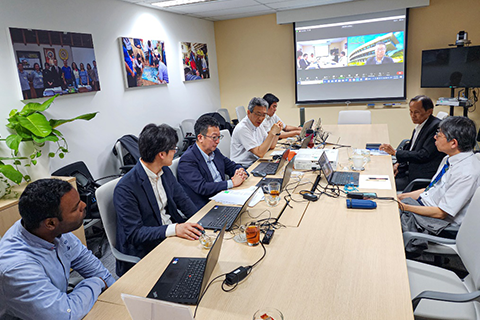
Seminar on City-to-City Collaboration for Zero Carbon Society
Cities currently account for 70% of global greenhouse gases and energy consumption. In order to achieve a carbon neutral society, cities must accelerate the transition to a decarbonised society that is suited to the characteristics of each city, and
In Climate
Quantifying the co-benefits of renewable energy investments can aid policymakers in identifying technologies capable of generating significant social, economic, and environmental benefits to effectively offset mitigation costs. Although there has been a growing body of work evaluating co-benefits, few studies have compared the potential co-benefits...
APRU 2024 Multi-hazard Workshop: All-Hazards Approach (AHA) / Science and Technology for DRR IRIDeS, Tohoku University
In a globalized world, disaster impacts seldom remain within political boundaries but often spill over beyond national boundaries. These transboundary risks bring an added complexity to the way the multi-hazard risks impact society. Until now, most risk assessments are focused within one’s political boundaries, and that worked with limited...
Keywords:
Gobeshona 4 Global Conference: Locally- Led Adaptation (LLA) and resilience
Adaptation effectiveness (AE) refers to how policies and actions reduce present and future climate risks. It is a systems concept that requires a unit of measurement, expression in value terms, a baseline, and a goal. Pre-requisite/enabling conditions such as equity, justice, and fairness are essential. Over the years, progress in adaptation has...
Keywords:
In Results in Engineering
The construction of large-scale infrastructure projects like dams can substantially alter local hydrological systems, prompting concerns about their impacts on river water levels and discharge. This study was undertaken in response to the compelling need to investigate and analyze the potential implications of water scarcity, particularly within...
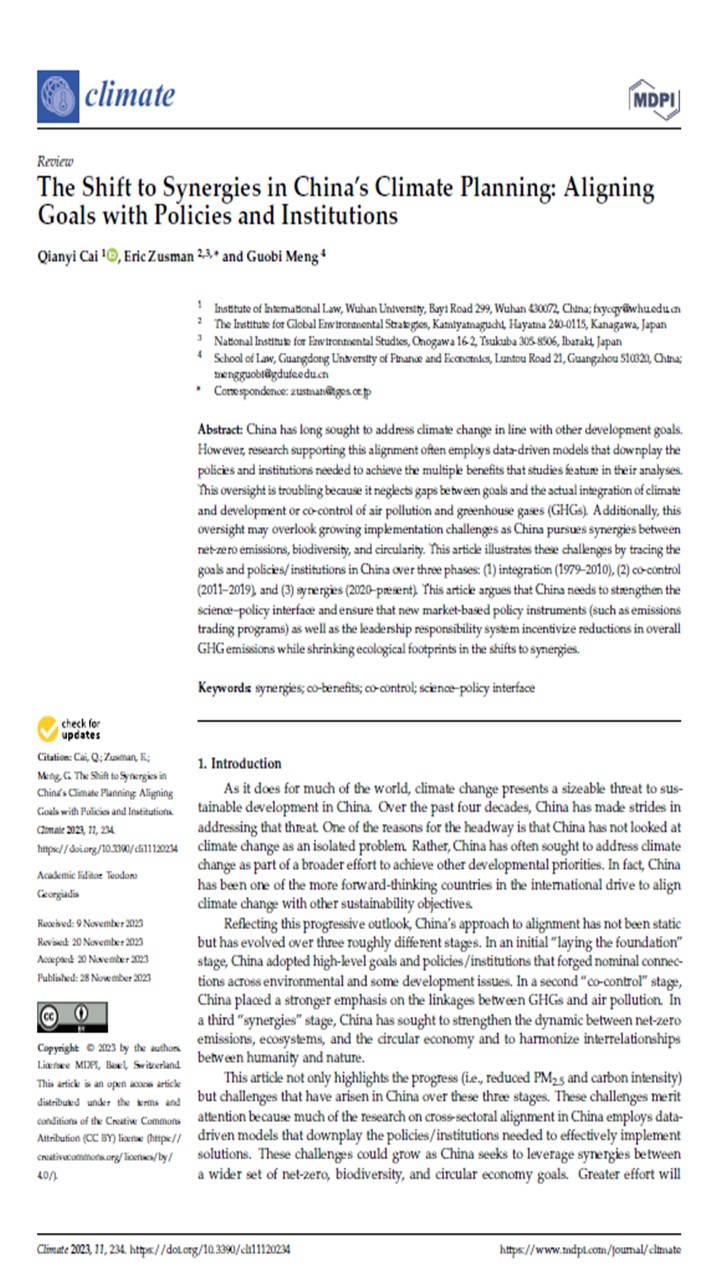
China has long sought to address climate change in line with other development goals. However, research supporting this alignment often employs data-driven models that downplay the policies and institutions needed to achieve the multiple benefits that studies feature in their analyses. This oversight is troubling because it neglects gaps between...
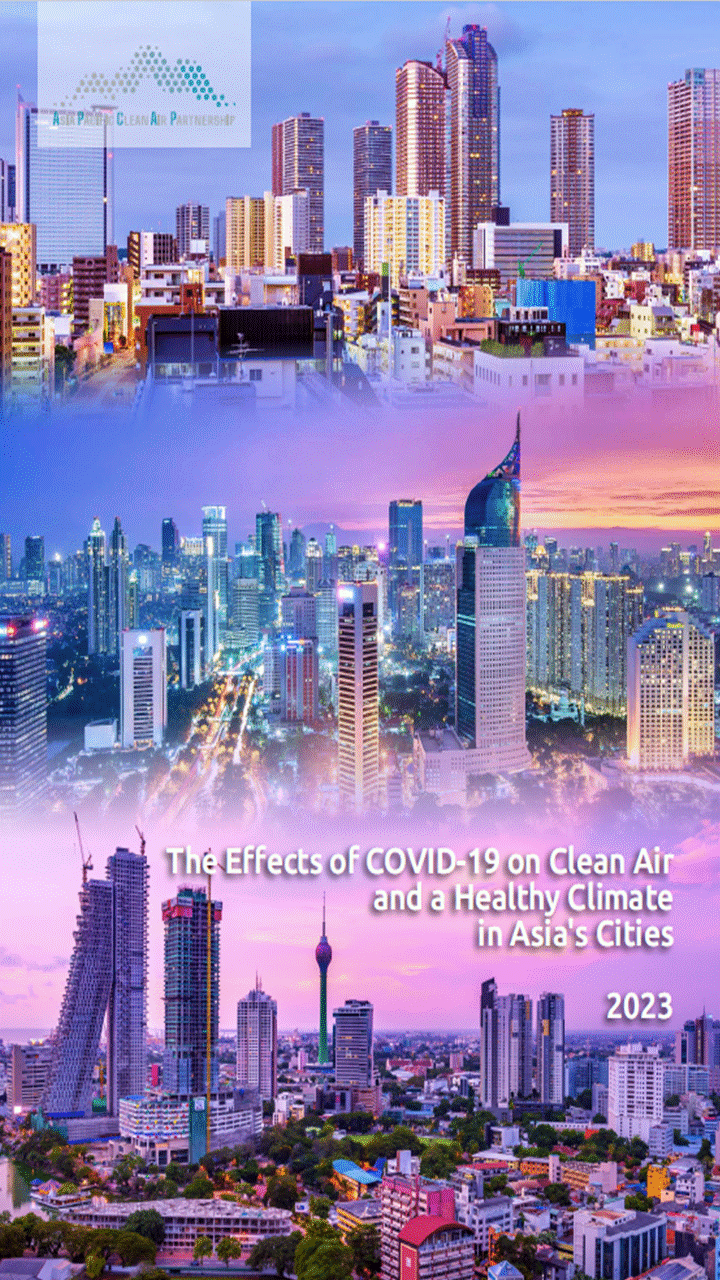
Though the worst of COVID-19 appears to be over, it also raises important questions about COVID-19's immediate and then longer-term impacts on urban air quality. To understand both sets of impacts, the United Nations Environment Programme (UNEP) Asia Pacific Office, the Institute for Global Environmental Strategies (IGES), the Ministry of...
OECD-G20 Expert and Policy Dialogue
Expert and Policy Dialogue on the Assessment of Policy Responses to Plastic Pollution
Bangkok, 4 March 2024: In efforts towards achieving the Osaka Blue Ocean Vision to reduce additional marine plastic pollution to zero by 2050, The Ministry of Environment of Japan (MOEJ), Organisation for Economic Co-operation and Development (OECD),
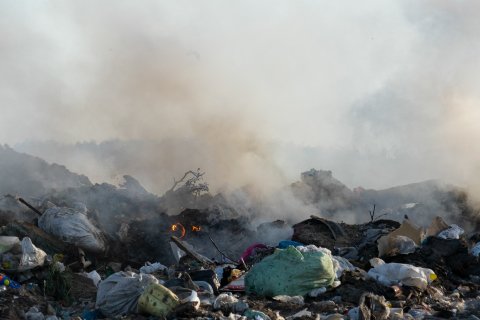
IGES and Its Partners Launch Global Project to Cease Open Waste Burning for Mitigation of Air Pollution, Climate Change and Health Risks
IGES, in partnership with Engineering X, the International Solid Waste Association (ISWA), Practical Action and UN Habitat, announces the launch of a ground-breaking project “Creating the enabling conditions for eliminating open burning of waste...