Community implementation of mixed species restoration for livelihoods and ecological functions
Project outline
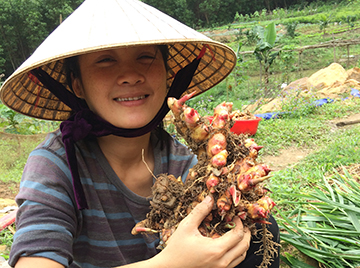
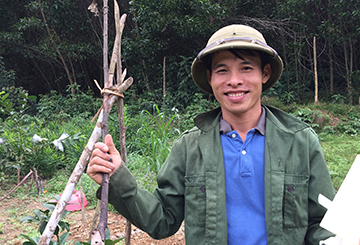
Mono-plantations of Acacia, Pine and Eucalyptus in the Lien Trach commune in Viet Nam have resulted in landscape damage, the loss of biodiversity and ecological functions, as well as economic loss and livelihood vulnerability to climate change impacts, i.e. strong winds and typhoons. Moreover, local youths and farmers continue to abandon their land to work as hired labourers in other places for short-term cash, or quick income from the immature harvesting of Acacia plantations. In view of these threats, but also resource degradation and continuing impacts of war-related defoliation activities, there is a critical need to build local human capacity and create livelihood sovereignty. This project seeks to involve a group of young farmers (as change agents) in the restoration of mixed species, and organise community workshops to obtain the proper knowledge and facilitate community use of mixed species (of local trees and animals) for the provision of complementary ecological and landscape functions as well as diverse income-streams. The key project outcome will be evidence-based, empirical farm models of mixed species restoration, to contribute to local policies for the revitalisation of indigenous species for landscape resilience, with a view toward achieving long-term sufficiency and livelihood sovereignty of farmers.
Project location map
Implementing organisation