Search

Results 1811 - 1820 of 6464 (Sorted by date)
Book Chapter
In Urban Drought – Emerging Water Challenge in Asia
Author:
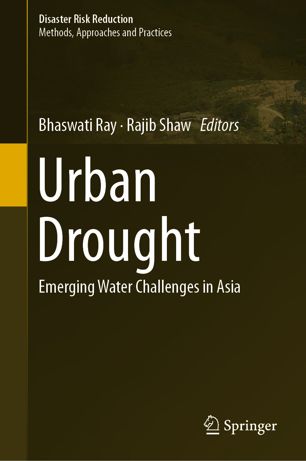
Water energy, food energy form some of the basic elements of economic growth and development. These resources are intrinsically interdependent on both the supply and demand sides. Urban areas are major consumers of these resources and growing urban population will require large flow of water, energy and food. Urbans are dynamically connected with...
Book Chapter
In Routledge Handbook of Sustainable Development in Asia
Author:
Farzad
Taheripour
Thomas
Hertel
Badri Narayanan
Gopalakrishnan
Sebnem
Sahin
Anil
Markandya
In this chapter we first examined the impacts of changes in the irrigated and rain fed crops yields induced by climate change on the demand for water. We looked at the impacts of climate change on crop yields and found they vary across crops and agro ecological zones. In this experiment, we showed that, if water for irrigation is not limited...
PR, Newsletter or Other
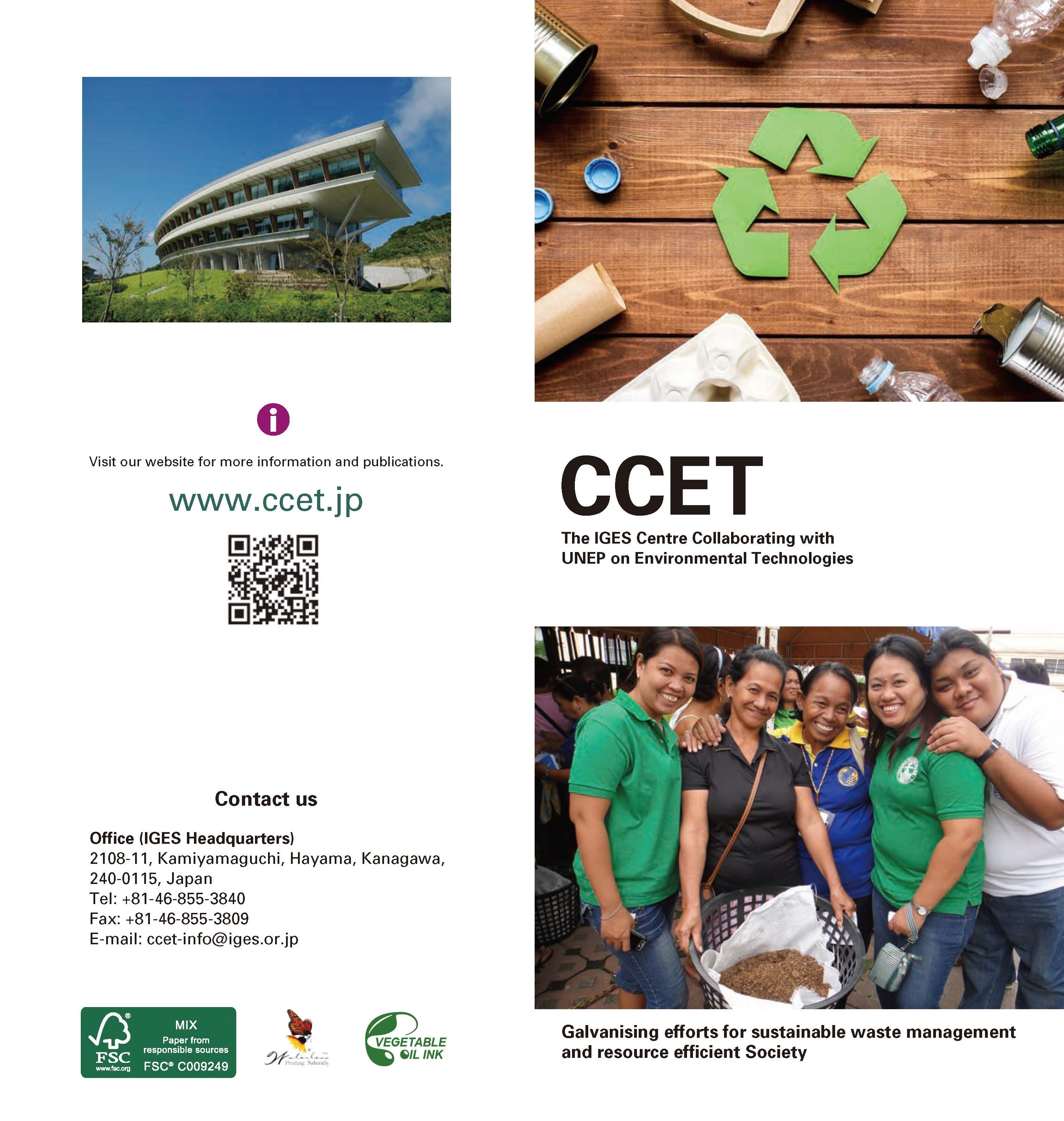
The IGES Centre Collaborating with UNEP on Environmental Technologies (CCET) was founded in 2014 to assist national, regional and local governments with advancing low impact, environmentally responsible waste management systems, helping to direct a wider shift towards more resource efficient and sustainable societies. Together with United Nations...
Commissioned Report
Author:
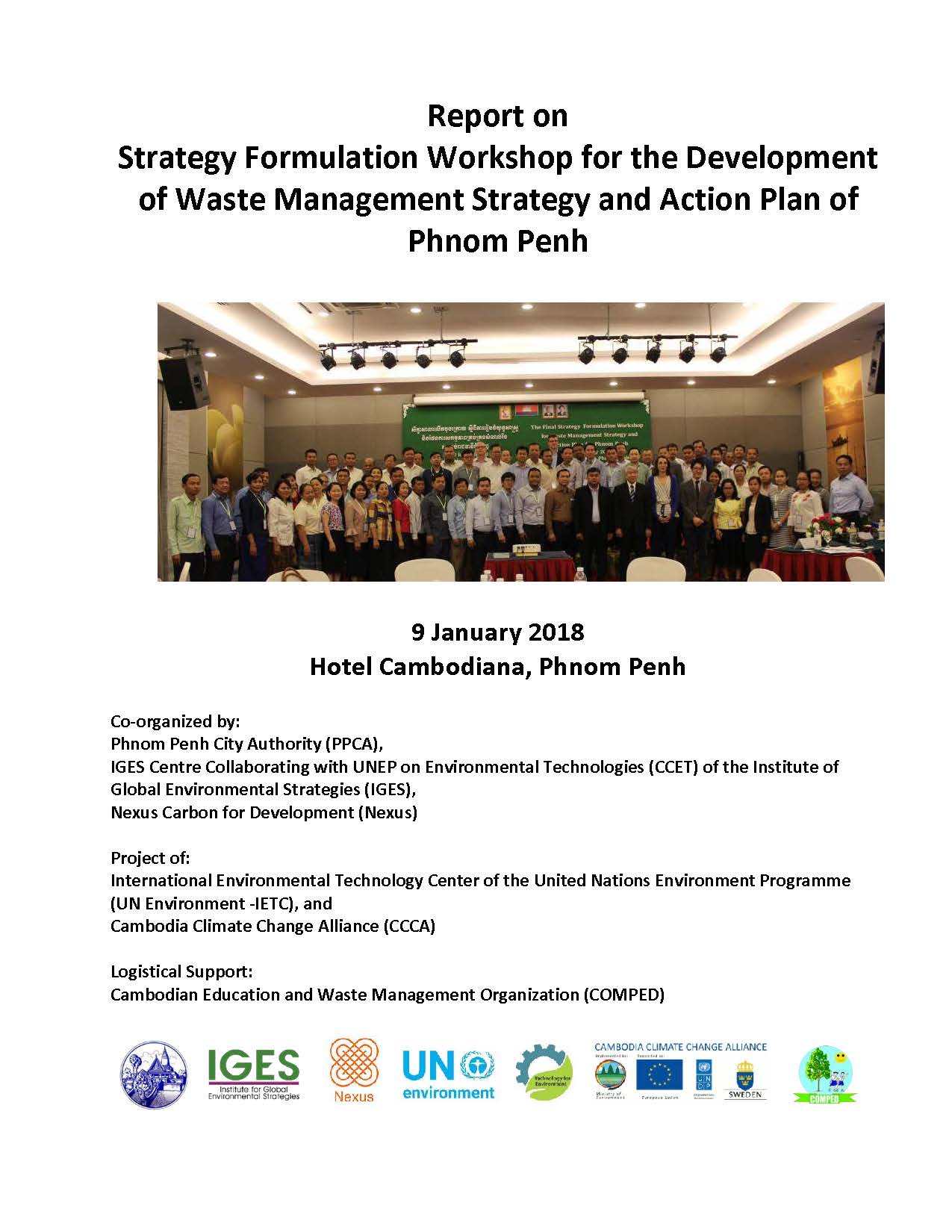
The Final Strategy Formulation Workshop for the Development of Waste Management Strategy and Action Plan of Phnom Penh was jointly organized on 9 January 2018 by Phnom Penh Capital Hall (PPCH), IGES-CCET, and Nexus for Development, marking an important milestone for the development of city’s waste management policy. The workshop was the last step...
Presentation
The Final Strategy Formulation Workshop for the Development of Waste Management Strategy and Action Plan of Phnom Penh
Author:
The Final Strategy Formulation Workshop for the Development of Waste Management Strategy and Action Plan of Phnom Penh was jointly organized on 9 January 2018 by Phnom Penh Capital Hall (PPCH), IGES-CCET, and Nexus for Development, marking an important milestone for the development of city’s waste management policy. The workshop was the last step...
Data or Tool
IGES made a proposal of an MRV methodology for the JCM projects which installs solar PV systems to the JCM Joint Committee between Mexico and Japan. The Joint Committee approved a methodology MX_AM001 Ver1.0 "Installation of Solar PV System" on the basis of this proposal. The attached proposed version (PM_001) includes three documents: the JCM...
Presentation
The Final Strategy Formulation Workshop for the Development of Waste Management Strategy and Action Plan of Phnom Penh
Author:
The Final Strategy Formulation Workshop for the Development of Waste Management Strategy and Action Plan of Phnom Penh was jointly organized on 9 January 2018 by Phnom Penh Capital Hall (PPCH), IGES-CCET, and Nexus for Development, marking an important milestone for the development of city’s waste management policy. The workshop was the last step...
Presentation
The Final Strategy Formulation Workshop for the Development of Waste Management Strategy and Action Plan of Phnom Penh
Author:
The Final Strategy Formulation Workshop for the Development of Waste Management Strategy and Action Plan of Phnom Penh was jointly organized on 9 January 2018 by Phnom Penh Capital Hall (PPCH), IGES-CCET, and Nexus for Development, marking an important milestone for the development of city’s waste management policy. The workshop was the last step...
Presentation
The Final Strategy Formulation Workshop for the Development of Waste Management Strategy and Action Plan of Phnom Penh
Author:
The Final Strategy Formulation Workshop for the Development of Waste Management Strategy and Action Plan of Phnom Penh was jointly organized on 9 January 2018 by Phnom Penh Capital Hall (PPCH), IGES-CCET, and Nexus for Development, marking an important milestone for the development of city’s waste management policy. The workshop was the last step...
Working Paper
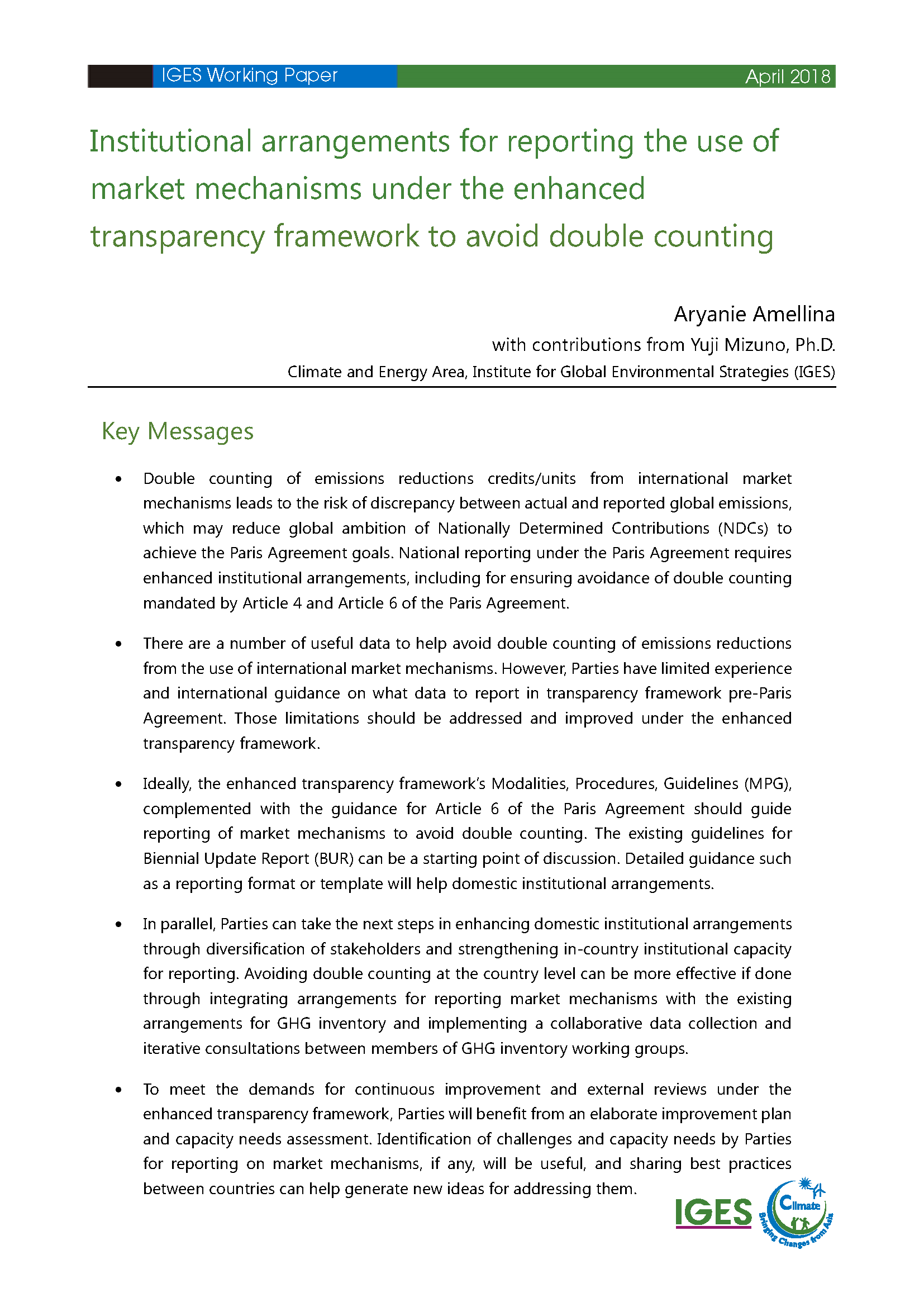
Parties to the Paris Agreement agreed to ensure avoidance of double counting of emissions reductions from the use of international market mechanisms. Although useful data may be available, Parties have limited experience and guidance from the UNFCCC on what data to report in the transparency framework pre-Paris Agreement. If the current reporting...