Integrated participation of institutional stakeholder for upliftment of rural livelihood through sustainable harvesting and market linkages of NTFPs and Agriproducts
Project overview
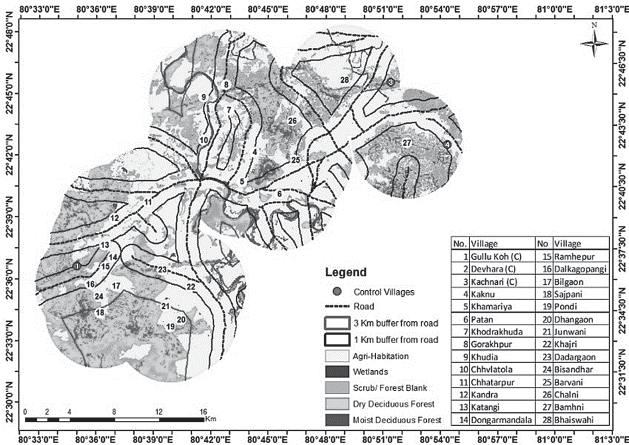
Mandla district of Madhya Pradesh, India, is known as a state with a high number of indigenous tribes who are residing in the vicinity of forests and earn their livelihood from forest resources along with subsistence agriculture and animal husbandry. The use of forest resources can be sustainable if properly managed but has become increasingly unsustainable due to intensifying exploitation and market pressure. The project aimed to implement an integrated approach to sustainable development and improvement of their livelihood, which include sustainable harvest of commercially important non- timber forest products (NTFP), development of market linkages, promotion of community fodder banks, as well as the promotion of rotational grazing.
Highlights of project results
The major achievements of the project were the successful blend of collaborative activities engaging the state government as well as the local level communities, and the strengthening of community-led initiatives of NTFP and agro-products market channeling and coming up with innovative solutions to create alternative livelihood enhancement. As part of these achievements, the various project activities led to the following results:
- Free and Prior Consent (FPIC), which involved the communities in the project from the initial phase and gave them a sense of ownership.
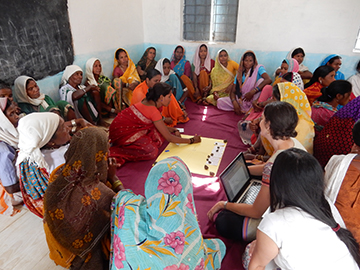
- A socio-economic and ecological assessment as well as the Four Cell Analysis (FCA) conducted in the villages helped assess and identify the current status of key NTFPs and agro-products available in the forest area as well as other land use areas.
- A value chain analysis and market enterprise creation process helped adding value to the agro-products and enabled marketing of these products – including Harra (Terminalia chebula), Cassia tora (Chakoda), Flax seeds Kutki (Little Millet) – in local as well as state level markets, thus enhancing the livelihoods of villagers.
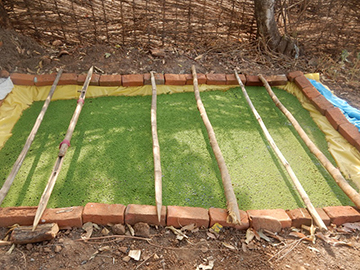
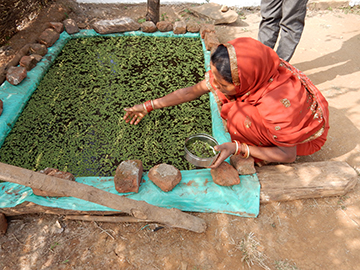
- The fodder management activity helped to tackle the adverse effects of cattle rearing and over-grazing in forested area. This included activities such as preparation of azolla pits, use of a traditional hydroponic system with maize grains, preparation of silage, introduction of root slips of perennial grasses i.e. Napier, Sorghum, Stylo etc. and cultivation of fodder crops (e.g. Barseem [Trifolium alexandrinum] and oat).
- In addition, a quality manual for sustainable harvesting and value addition of NTFPs was developed, and training to the user communities was imparted to enhance the skills and capacity of the users.
Key lessons
The following are some of the key lessons derived from the project:
- Importance of a structure and process-oriented, community-led initiative
- Development of market linkages for the selected two forest species and two agri species through adopting improved collection practices, primary processing, gradation and packaging. Motivation of the community to become involved in the sustainable practices and get more benefits from their products.
- Awareness-creation and knowledge dissemination regarding sustainable harvesting of forest resources
- Advantages of creating and implementing partnerships on the ground for longterm sustainability and furthering development goals.
Related Sustainable Development Goals


Related Aichi Biodiversity Targets


Project location map
Implementing organisation