

Policy Researcher
Research Topics & Areas of Expertise
Sustainable Cities and Buildings
Socio-economic Scenario Analysis
Enviromental Assessment Model
Education
Ph.D. Engineering: The University of Tokyo, Department of Urban Engineering (Environmental System)
MSc. Sustainable Urbanism: University College London, Bartlett School of Planning
Results 41 to 49 of 49 (Sorted by date)
Presentation
11th Integrated Assessment Modeling Consortium (IAMC) annual meeting
Shared socioeconomic pathways (SSPs) have been developed by global climate change communities for analyzing long-term global societal transitions through science-driven analysis. SSPs can be transformed into local-scale socioeconomic pathways; however, the urban scale requires an in-depth understanding of specific local significant factors. Three...
Presentation
The World in 2050 (TWI2050) Seminar
This TWI2050 project seminar is being co-organised by UNU-IAS; the Japan Committee of the International Institute for Applied Systems Analysis (IIASA); the National Institute for Environmental Studies, Japan (NIES); and the Institute for Global Environmental Strategies (IGES); TWI2050 is a global research project developed to support the successful...
Commentary (Op. Ed)
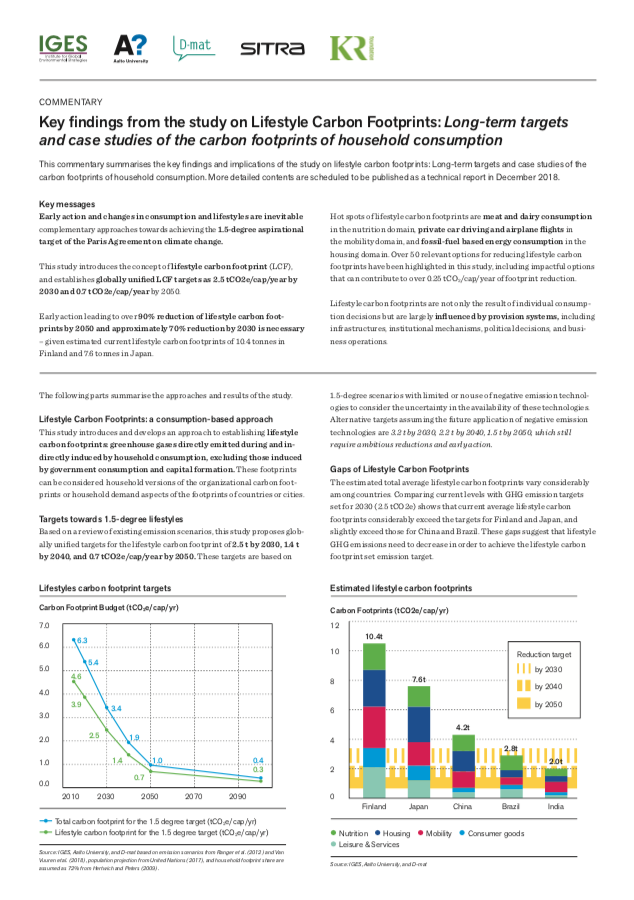
This commentary summarises the key findings and implications of the study on Lifestyle Carbon Footprints: Long-term targets and case studies of the carbon footprints of household consumption. This study introduces and develops an approach to establishing lifestyle carbon footprints: greenhouse gases directly emitted during and indirectly induced by...
Presentation
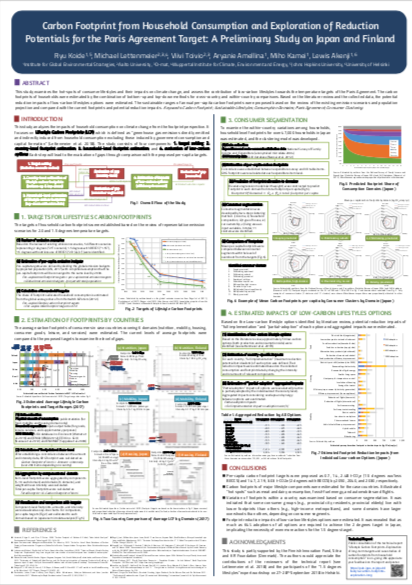
The 13th Biennial International Conference on Ecobalance (Ecobalance 2018)
This poster presentation received The People's Choice Award at the 13th Biennial International Conference on Ecobalance, 9-12 Oct. 2018, Tokyo, Japan. The poster was selected among over 90 posters by the votes of the participants. The Paris Agreement envisions a net negative carbon society by the second half of the century. Existing studies on...
Book Chapter
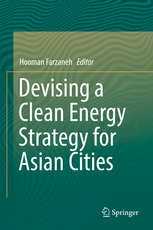
In Devising a Clean Energy Strategy for Asian Cities
According to UN projections, cities will be home to 60% of the world’s population by 2030. Cities are likely to play an increasingly significant role in improving energy efficiency and decreasing emissions, and constitute platforms of vital importance with respect to the development of global culture, economy, innovation, investment, and...
Research Report
The report examines the current trends and dynamics that promote and jeopardize the achievement of the SDGs. It presents the TWI2050 framework, the integrated pathways which harness the synergies and multiple benefits across SDGs, and approaches to governing this sustainability transformation. (TWI2050, 2018)
Presentation

Cities IPCC
Presentation focused on the development of SSPs (Shared Socioeconomic pathways) for city scale. The case studies of SSPs_ Tokyo and SSPs_Bhutan were presented.
Presentation
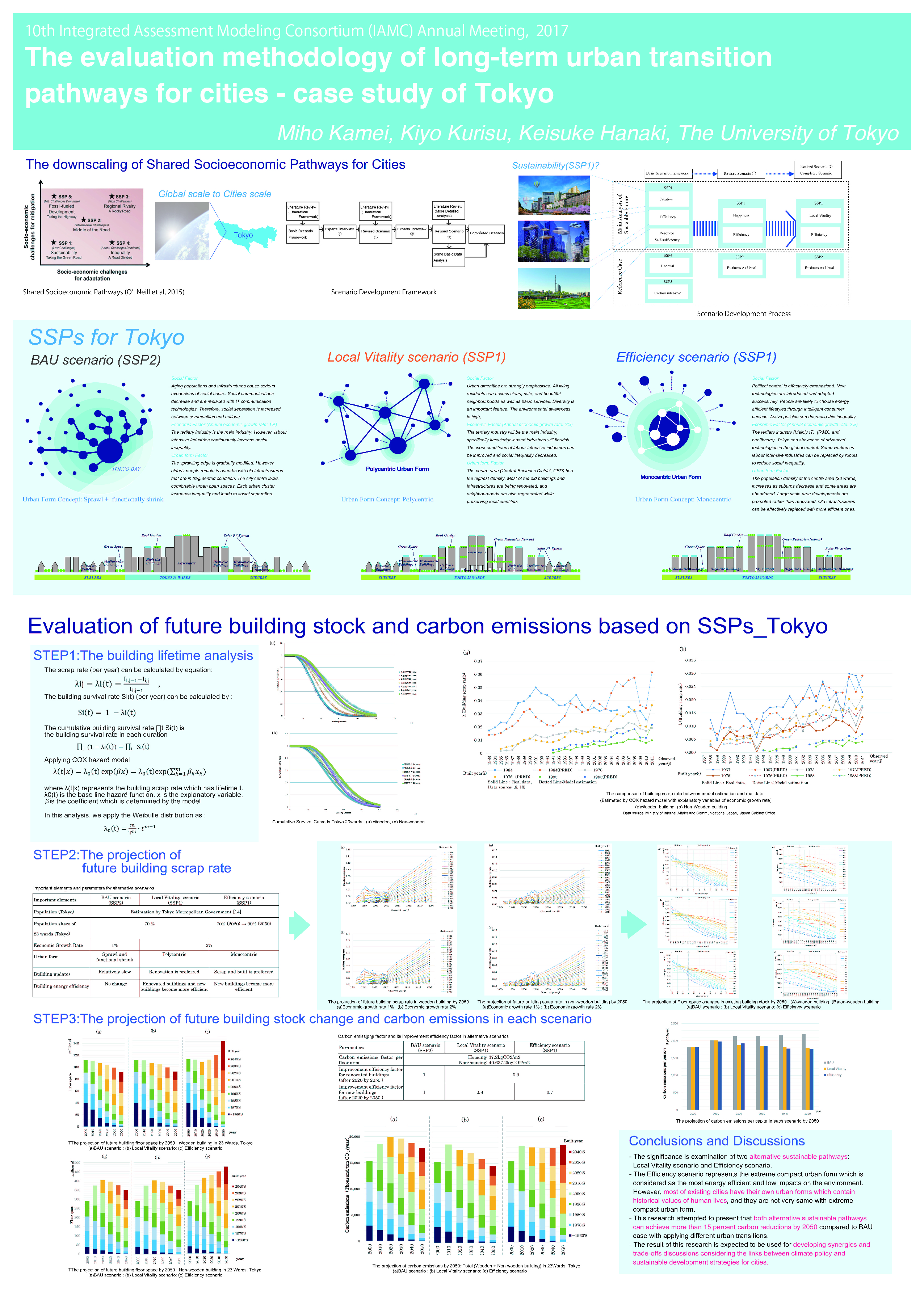
IAMC
This work was developed as the methodology for analysing a long-term transformation for cities. This work was presented at 10th Integrated Assessment Modeling Consortium in 2017. (Later presented at Cities IPCC, 2018: Also included in the TWI2050 report (p.98) in 2018 https://iiasa.ac.at/web/home/research/twi/Report2018.html)
Book
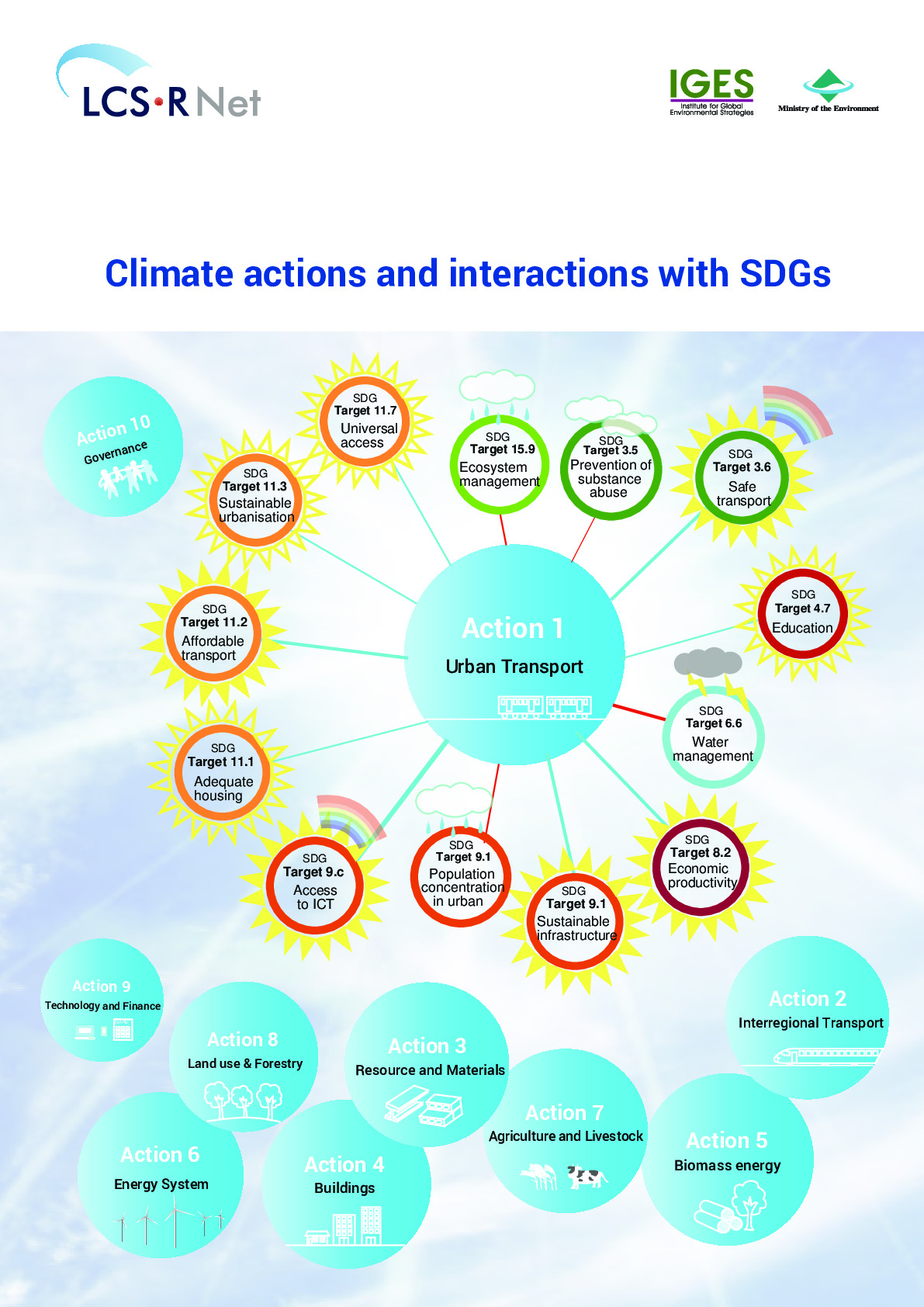
To promote measures against global warming based on the Paris Agreement, and to ensure transition to decarbonised societies, it is important to link long-term targets/strategies with short- or mid-term concrete policy targets. As of August 2017, 155 “Nationally Determined Contributions (NDCs)” were submitted to UNFCCC (from 182 countries). In 2015...
No Projects Found.