- English
Date: March 10-12, 2025 (Quezon City, Philippines)


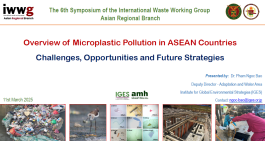
This presentation provides an overview of the escalating microplastic and nanoplastic (MNP) pollution crisis in Southeast Asia, which currently ranks among the highest global contributors to ocean plastic waste due to rapid urbanization, heavy reliance on single-use plastics, and inadequate waste management. It details the lifecycle of plastic pollution, identifying major land-based sources such as wastewater, tire wear, and solid waste, and delves into human exposure pathways, including ingestion via seafood and drinking water, inhalation of airborne particles, and dermal contact.
Crucially, the presentation highlights the dual-threat mechanism of MNPs on human health, emphasizing both the physical toxicity that damages cellular structures and the chemical toxicity caused by the leaching of hazardous additives like PFAS, BPA, and heavy metals. This severe health risk is underscored by alarming recent reports of MNPs detected in human blood, placentas, and brain tissue. Despite the growing body of evidence, effective risk assessment and policymaking in the region are currently hindered by fragmented regulations, insufficient research funding, and a critical lack of standardized methodologies for MNP sampling and analysis across ASEAN countries.
To overcome these challenges, a strategic recommendation is outlined, focusing on capacity building and evidence-based policymaking. Key recommendations include adopting the newly developed IGES Harmonized Protocol for MNP monitoring in sewage treatment plants and riverine environments, investing in specialized laboratory infrastructure and personnel, and implementing foundational and advanced training courses to equip regional researchers with essential skills.
- English
Date: March 10-12, 2025 (Quezon City, Philippines)