- English
Date: 14 September 2025, Taipei



This presentation outlines an initiative applying behavioral insights (BI) to reduce single-use plastics (SUPs) across the Asia-Pacific region.
Phase I (2022-2024) implemented pilot projects in Indonesia, Thailand, Vietnam, and the Philippines. Departing from traditional "rational choice" theories, the project utilized the "Levers of Behaviour Change" framework, which categorizes six traditional and new behavioral change levers:
- Rules & Regulations: Traditional levers focused on institutional guidelines.
- Material Incentives: Traditional levers offering financial motives, such as charging fees for plastic straws or offering discounts for bringing reusable containers.
- Information: Traditional levers utilizing online and offline communication strategies to raise awareness.
- Choice Architecture: New levers altering how choices are presented, such as removing plastic straws from front displays or setting up rental cup systems.
- Emotional Appeals: New levers targeting feelings, demonstrated by campaigns like "#Yourcupwetreat".
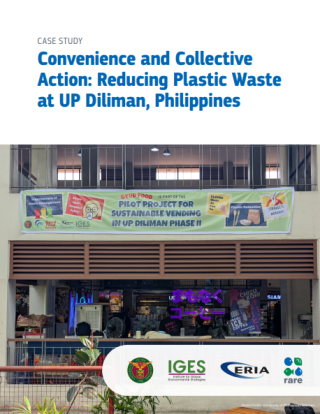
- Social Influences: New levers leveraging community engagement, such as student participatory activities and contests.
Applying these combined levers yielded positive outcomes across all pilot cases, notably achieving an 89% straw reduction at an Indonesian canteen and a 49% SUP reduction in Thai flea markets.
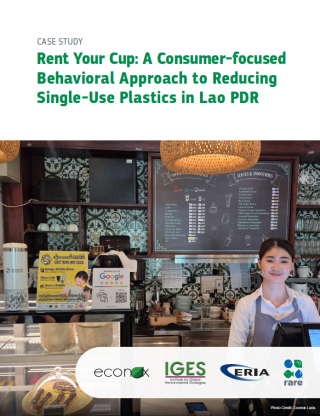
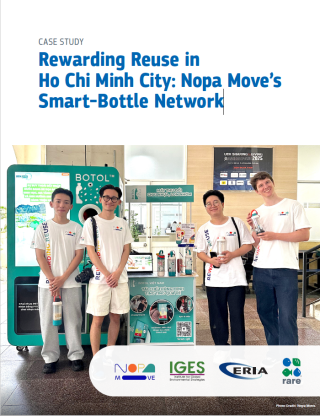
Phase II (2024-2025) expands to six countries, adding Cambodia and Lao PDR, aiming to scale impacts, co-develop monitoring frameworks, and integrate policies. Innovative examples include a reusable cup rental system in Laos and a tumbler reuse reward network in Vietnam.
Moving forward, the initiative introduces a "Behavioral Lab" to serve as an online repository and learning forum, empowering changemakers to use science and strategy for sustainable, people-centered solutions.
- English
Date: 14 September 2025, Taipei