Results 1 - 10 of 12 (Sorted by date)
Peer-reviewed Article
In Ecosystem Services
Author:
Yuno
Tajima
Shizuka
Hashimoto
Cultural Ecosystem Services (CES) are non-material benefits that are indispensable for the health and well-being of communities. CES are often spatially explicit and fluctuate according to the knowledge, beliefs, and perception of users of the location. Therefore, understanding the spatial patterns of CES perceived by people from different...
PR, Newsletter or Other
The Japan Times Sustainability Roundtable
Author:
Ross
Rowbury
Nader
Sammouri
How blind are we to things too big to see directly? Take the environment — why should people care? Our muddled perceptions can make it grueling to find the right balance between individual well-being and conservation of nature. Falling biodiversity — the variety in the life around us, from microbes on up — has severe repercussions for human well...
Peer-reviewed Article
In Science Advances
Author:
Pedro
Jaureguiberry
Nicolas
Titeux
Martin
Wiemers
Diana
Bowler
Luca
Coscieme
Abigail
Golden
Carlos
Guerra
Ute
Jacob
Josef
Settele
Sandra
Diaz
Zsolt
Molnar
Andy
Purvis
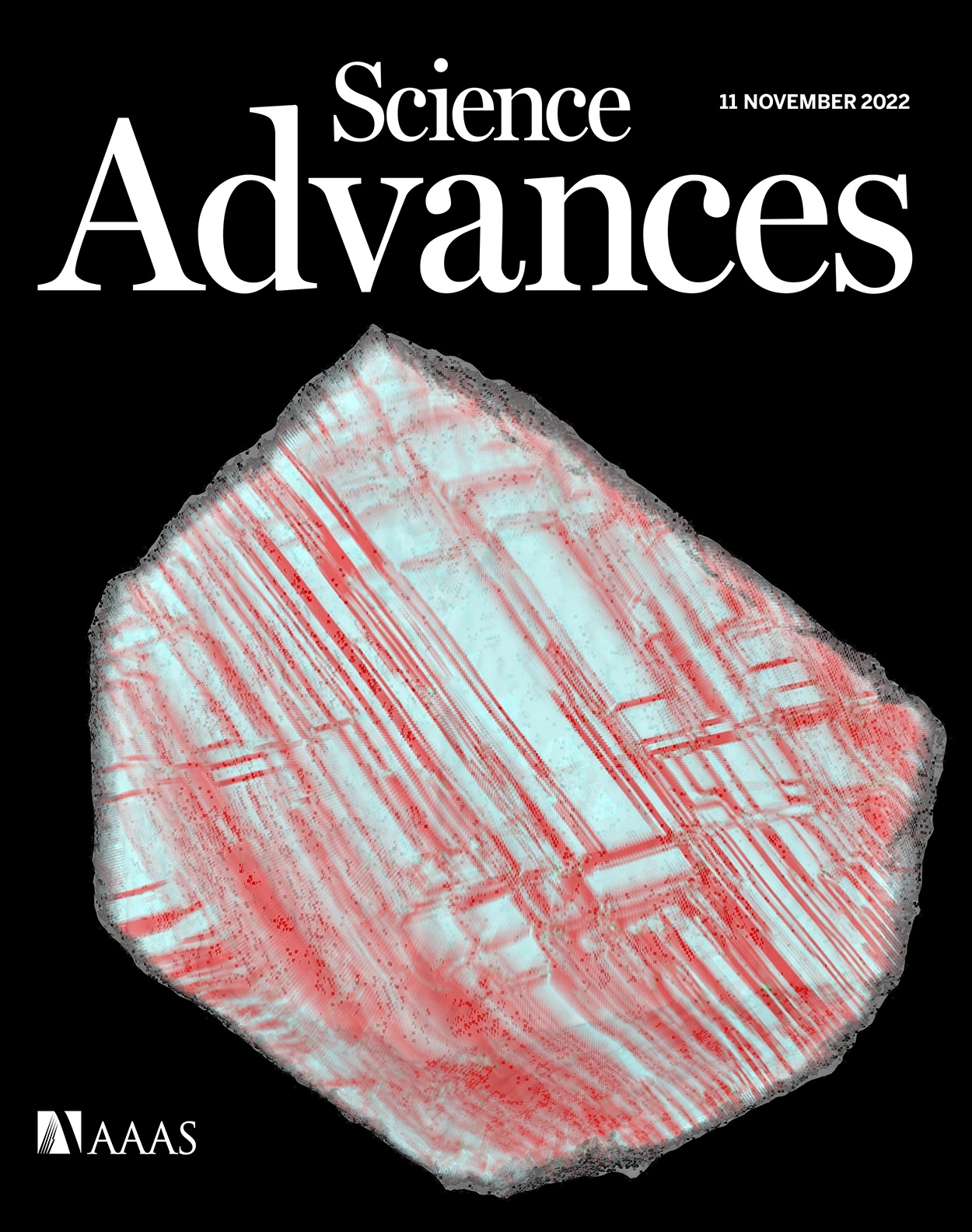
Effective policies to halt biodiversity loss require knowing which anthropogenic drivers are the most important direct causes. Whereas previous knowledge has been limited in scope and rigor, here we statistically synthesize empirical comparisons of recent driver impacts found through a wide-ranging review. We show that land/sea use change has been...
Conference Paper
Regions in Recovery Second Edition 2022: Re-imagining Regions
Author:
Marco
Reggiani
A Voluntary Local Review (VLR) is an instrument to review and follow-up progress towards achieving the Sustainable Development Goals (SDGs), thus accelerating their localisation. Since 2018, a growing number of local governments worldwide are turning to the VLR process to articulate their sustainable development policies, highlighting the growing...
Keywords:
Commentary (Op. Ed)
IISD SDG Knowledge Hub
The 2021 High-level Political Forum (HLPF) consolidated the prime role of VLRs (Voluntary Local Reviews) in localizing the 2030 Agenda for Sustainable Development. A record number of local governments – 17 cites –presented a 2021 VLR by July 2021 according to UN-Habitat. By comparison, 26 VLRs were published in 2020. VLRs have also gained broader...
Presentation
科学者も政策決定者もこれまで別々の課題として対応してきた生物多様性と気候変動の課題への統合的な取組を強化すべく、2020年12月に生物多様性と気候変動に関するIPBESとIPCCの合同ワークショップが開催されました。このワークショップからのキーメッセージを含むワークショップ報告書、ならびにその科学的根拠を整理した科学的成果(Scientific Outcomes)が2021年6月に発表されました。このスライドでは、日本の一般読者向けにワークショップ報告書の内容を日本語で短く解説しています。 Scientists and policymakers have been tackling biodiversity loss and climate change, the two most...
Research Report
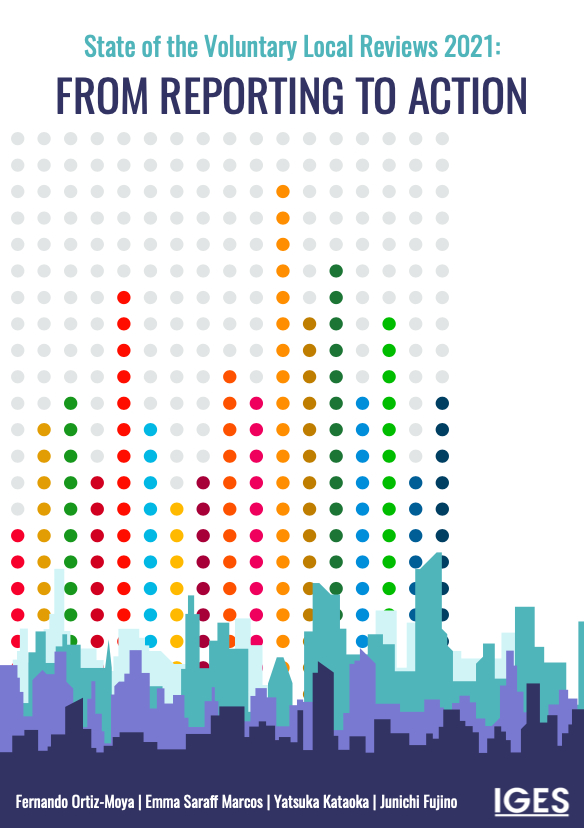
Amidst the COVID-19 global pandemic, which spread across the whole world in 2020, local and regional governments have continued their work to localise the ambitious goals set by the 2030 Agenda for Sustainable Development and its Sustainable Development Goals (SDGs). Since 2018, local and regional governments began the review and follow- up process...
Commentary (Op. Ed)
IISD, SDG Knowledge Hub
Story highlights: The Voluntary Local Review (VLR) process is providing a useful tool for subnational levels of government to take on the SDGs. The Institute for Global Environmental Strategies has published two reports to support the growing number of local and regional governments conducting VLRs.
Training or Learning Material
A ‘Voluntary Local Review’ (VLR) is a process whereby local and regional governments voluntarily carry out a review of progress being made in their implementation of the SDGs. This review includes policies, programmes, data, institutional set-ups and stakeholder engagement mechanisms to implement the 2030 Agenda at the local level. VLRs are then...