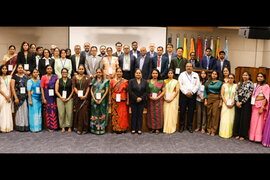
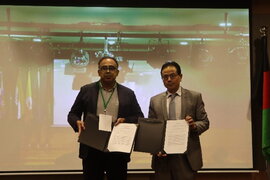
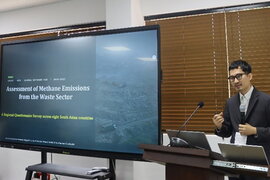
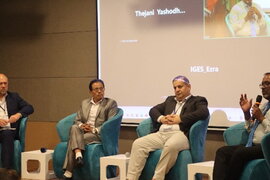
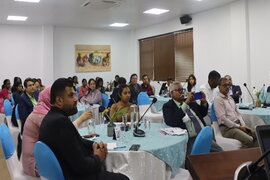
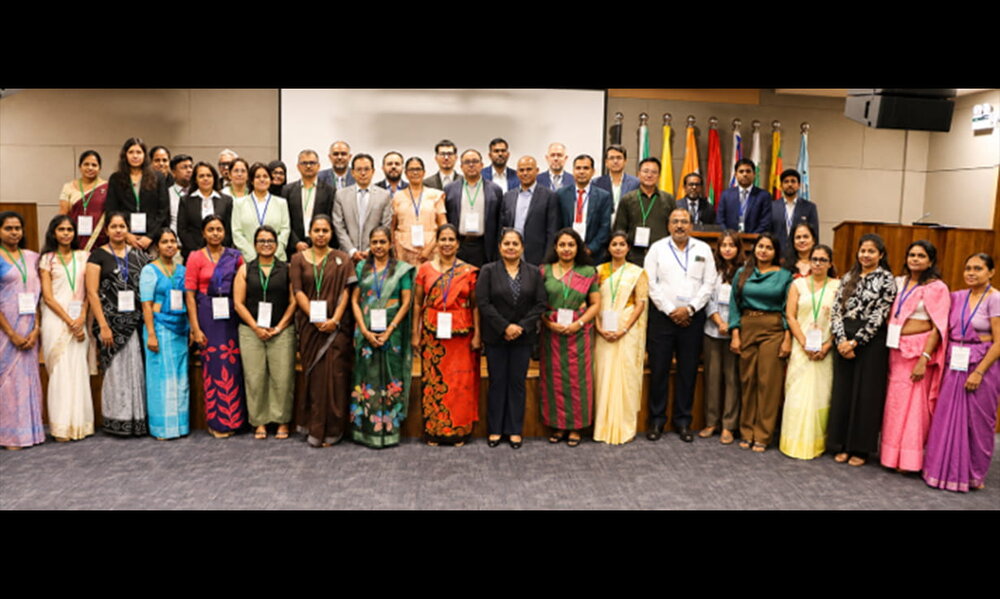
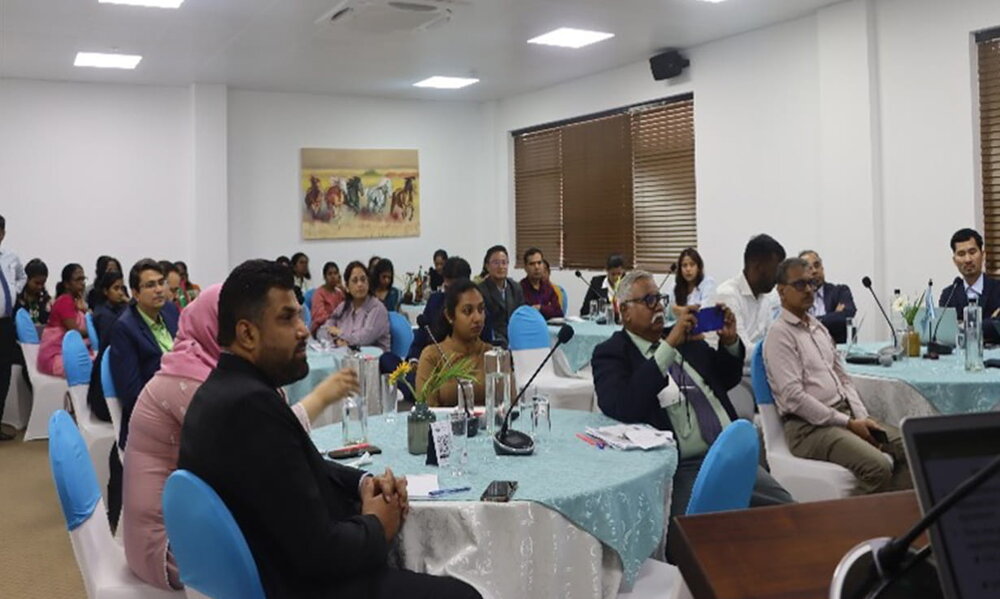
The Regional Kick-off and Capacity Building Workshop on "Accelerating Waste Methane Mitigation in South Asia for Climate, Health, and Development Co-Benefits", organised by the South Asia Co-operative Environment Programme (SACEP) in collaboration with the Institute for Global Environmental Strategies (IGES) through the IGES Centre Collaborating with UNEP on Environmental Technologies (CCET), the Global Methane Hub (GMH), the Climate and Clean Air Coalition (CCAC) and HELP-O, and with the support of the Ministry of Environment of Sri Lanka, convened national focal points from across South Asia to launch the development of a Regional Methane Mitigation Roadmap for the waste sector. Over four days, government representatives from Bangladesh, Bhutan, India, Maldives, Nepal, Pakistan and Sri Lanka joined international organisations, academia, the private sector and civil society to share country experiences, harmonise monitoring approaches and build the technical capacity needed to translate methane commitments into financed, implementable action.
The workshop had two objectives: to conduct a regional stakeholder consultation that will inform a Regional Assessment Report on methane emissions and a Roadmap for methane mitigation from the waste sector in South Asia, and to strengthen the capacity of national focal agencies in methane inventory methodologies, action planning, and access to climate finance. Underlying these objectives is the ambition to ensure that methane reduction is prioritised and integrated into regional climate and waste management policies, rather than treated as a technical afterthought, and that integrated solid waste management is advanced as a vehicle for sustainable development across the region.
The workshop consolidated country-specific priorities into a draft Regional Methane Roadmap with implementation timelines extending to 2035 and beyond, structured around policy integration and NDC alignment, infrastructure expansion, standardised monitoring, finance mobilisation and capacity building. Participants agreed that regional cooperation, harmonised MRV systems, strengthened financing mechanisms and sustained institutional capacity will be decisive in accelerating methane mitigation across South Asia. Feedback from the consultation will be incorporated into the Regional Assessment Report and the Roadmap, with progress to be reviewed periodically under SACEP coordination and with technical support from IGES and partner organisations.

Background
Methane is a potent short-lived climate pollutant with a climate impact 86 times stronger than carbon dioxide over a 20-year period, making its mitigation one of the most effective strategies available for reducing near-term warming. The waste sector accounts for roughly 20% of global anthropogenic methane emissions, and in Asia alone is estimated to generate 73 Mt CO₂-e.
South Asia sits at the centre of this challenge. The region generates some 70 million tonnes of municipal solid waste each year, of which only 44% is collected, the remainder disposed of through open burning, littering and other improper practices while collected waste is largely consigned to open dumpsites that continue emitting methane for decades. With 60–65% of the region's municipal waste biodegradable, better organic waste management represents one of the fastest and most cost-effective mitigation opportunities available.
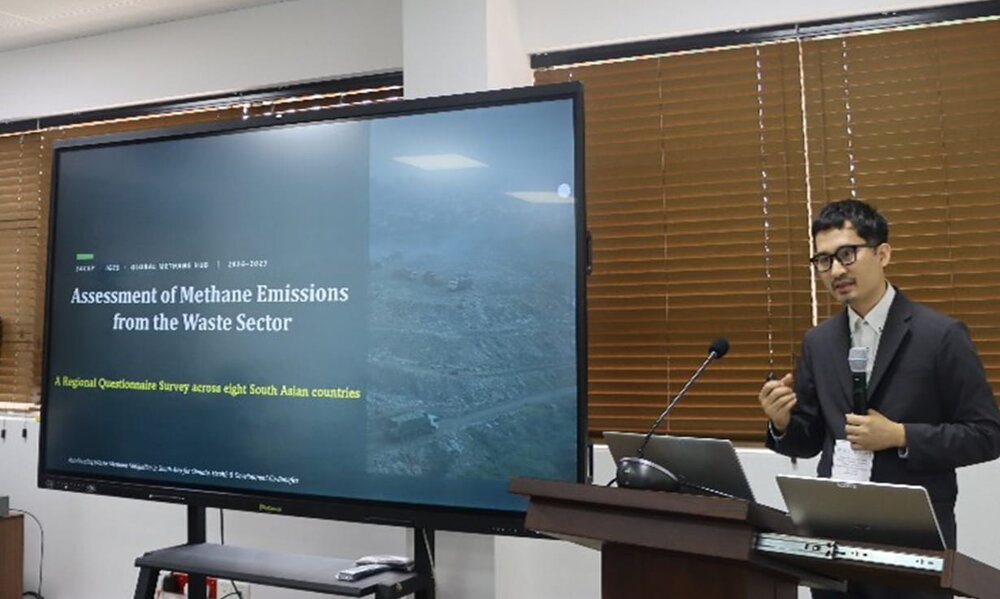
Several South Asian countries are signatories to the Global Methane Pledge, but concrete action has been constrained by limited technical capacity for methane inventories, fragmented data and the absence of specific methane-reduction targets in national policies. To address these gaps, IGES-CCET and SACEP are implementing the project "Accelerating Waste Methane Mitigation in South Asia for Climate, Health, and Development Co-Benefits", funded by the Global Methane Hub, which focuses on scalable, low-cost solutions including composting, biogas production and semi-aerobic landfills (the Fukuoka Method). This workshop served as the project's regional kick-off.
Programme Highlights
Day 1 – Setting the Regional Agenda: From Commitment to Action
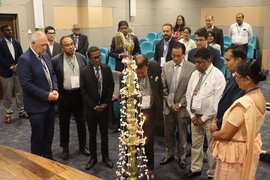
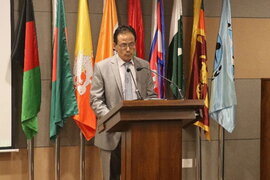
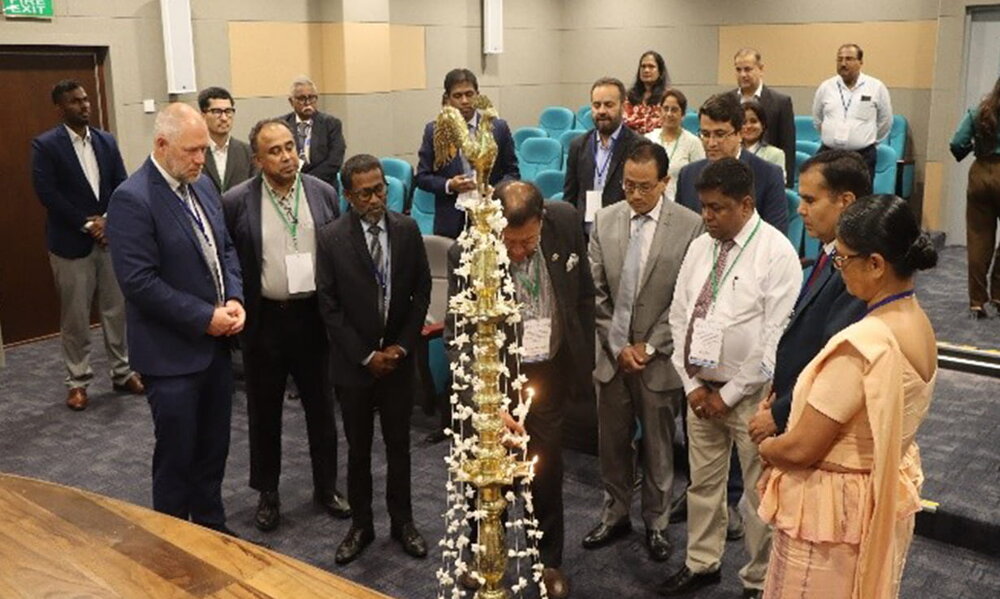
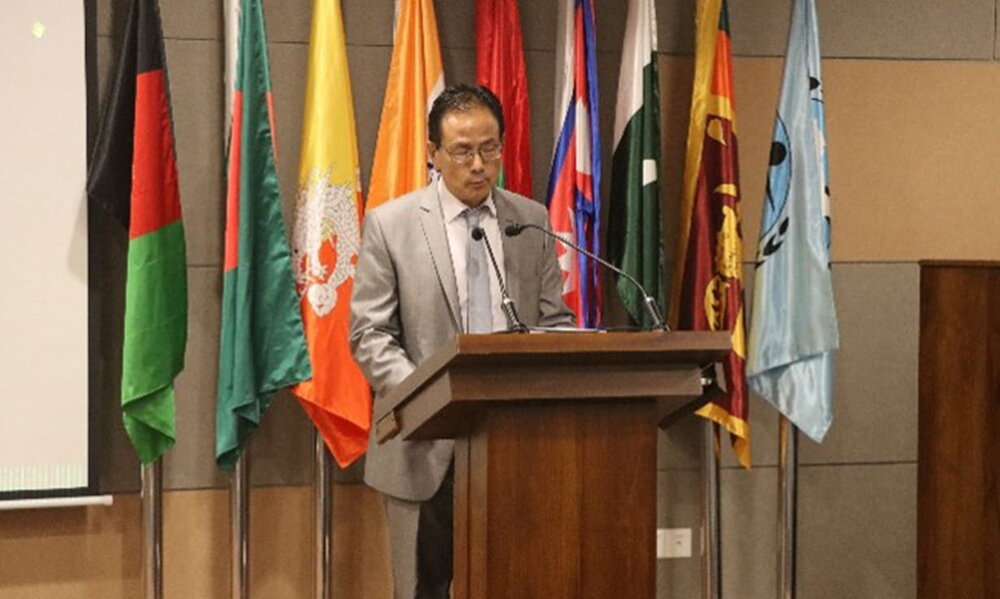
Following the traditional lighting of the oil lamp, Mr. Norbu Wangchuk (Director General, SACEP) welcomed participants, with opening remarks from Ms. Carolina Urmeneta (Programme Director, Waste and Circular Economy, GMH), Eng. S.P.C. Sugeeshwara (Additional Secretary to the President, Clean Sri Lanka) and guest of honour Ms. Pathma Abeykoon (Additional Secretary, Environment Policy and Planning, Ministry of Environment, Sri Lanka). Keynote addresses by Mr. Donovan Storey (CCAC, UNEP) on the strategic role of methane and super-pollutant mitigation, and Mr. Chandi Raj Dhakal (President, SAARC Chamber of Commerce and Industry) on circular economy business opportunities in South Asia, framed the day, before Dr. Premakumara Jagath Dickella Gamaralalage (Director, IGES-CCET) introduced the project.
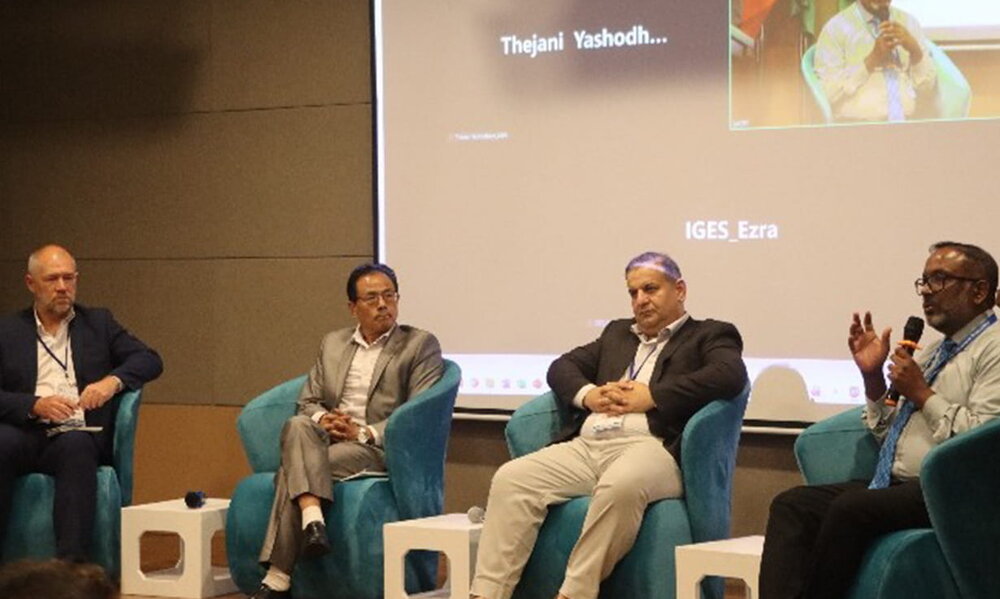
The technical programme that followed by a presentation of the draft Regional Methane Reduction Roadmap for the waste sector. Interactive polling and facilitated group work then turned the floor over to participants, who identified national priority sources and actions, assessed their countries' readiness to implement methane measures, and worked through the institutional, financial, technical and regulatory barriers standing in the way, producing a consolidated set of barriers and proposed solutions to feed into the Roadmap. The day closed with a high-level dialogue on aligning international cooperation behind South Asia's methane agenda, covering financing instruments, technical capacity priorities, data and MRV support, and coordination with existing regional programmes.
Day 2 – Country Diagnostics and Action Priorities
Structured country presentations were organised around shared contexts, large emitters (Bangladesh, India, Pakistan), small island states (Maldives, Sri Lanka), and mountain and fragile settings (Bhutan, Nepal), with peer-review discussion after each cluster prompting participants to identify commonalities, transferable solutions and actions with genuine bankability.
A consistent regional picture emerged: high biodegradable fractions in municipal waste streams, continued reliance on open dumping, limited source segregation, inadequate sanitary landfill infrastructure and low landfill gas capture, weak wastewater treatment coverage, sparse methane monitoring data, and persistent constraints in institutional capacity, financing and enforcement. Country priorities converged on sanitary landfills with gas capture, composting and biomethanation, wastewater biogas recovery, stronger MRV systems and improved access to climate finance. Participants then divided into breakout groups addressing priority actions and targets, implementation pathways, finance and investment, MRV and data systems, and regional cooperation and governance, presenting their findings back to plenary.
Day 3 – Technical and Financial Solutions
The third day shifted from diagnosis to capability. Training on methane inventory methodologies covered the IPCC 2006 Guidelines and 2019 Refinements, delivered by Mr. Kyoto Tanabe (IPCC TFI TSU/IGES), followed by an interactive session on strengthening MRV systems for waste methane, addressing the data collection challenges surfaced the previous day, facility-level monitoring and the institutional arrangements needed to sustain them. Training on climate and green finance introduced Article 6 of the Paris Agreement, the Joint Crediting Mechanism, carbon credits and blended finance, presented by Mr. Kazuhisa Koakutsu (Article 6 Implementation Partnership Centre, IGES), after which each country worked to link its priority actions to financing options and to identify one or two bankable project concepts with potential funding sources.
The next session turned to proven technologies, with practitioners presenting operational experience rather than theory: zero-waste city approaches and circular organic waste management from India and Bhutan; application of the Fukuoka semi-aerobic landfill method in Pakistan; and anaerobic digestion and biogas systems in India. Dr. Premakumara and Mr. Norbu Wangchuk closed the session by summing up the key takeaways of the three days.
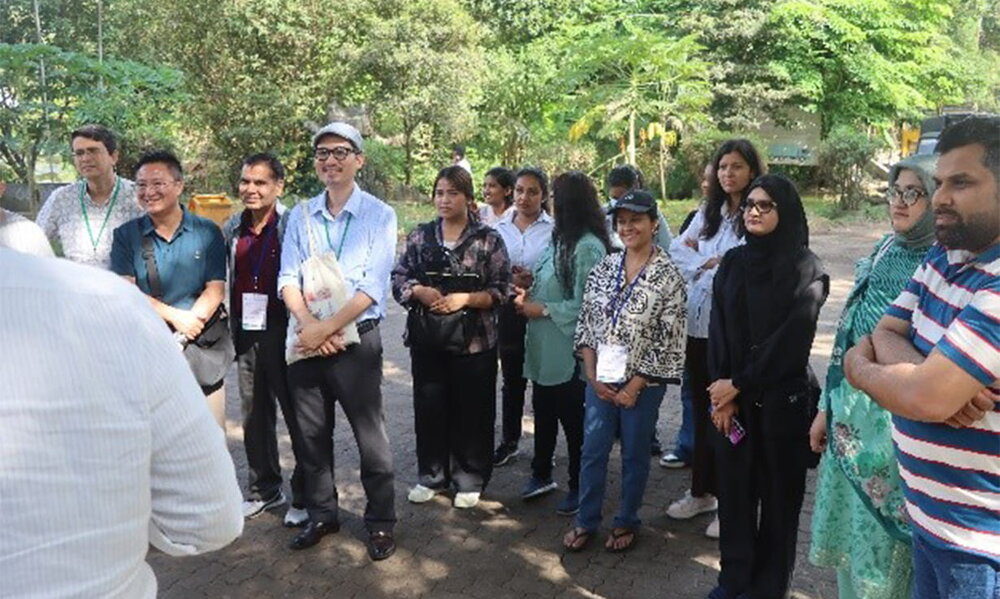
Day 4 – Study Tour
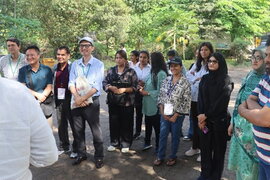
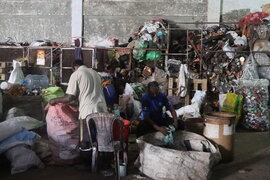
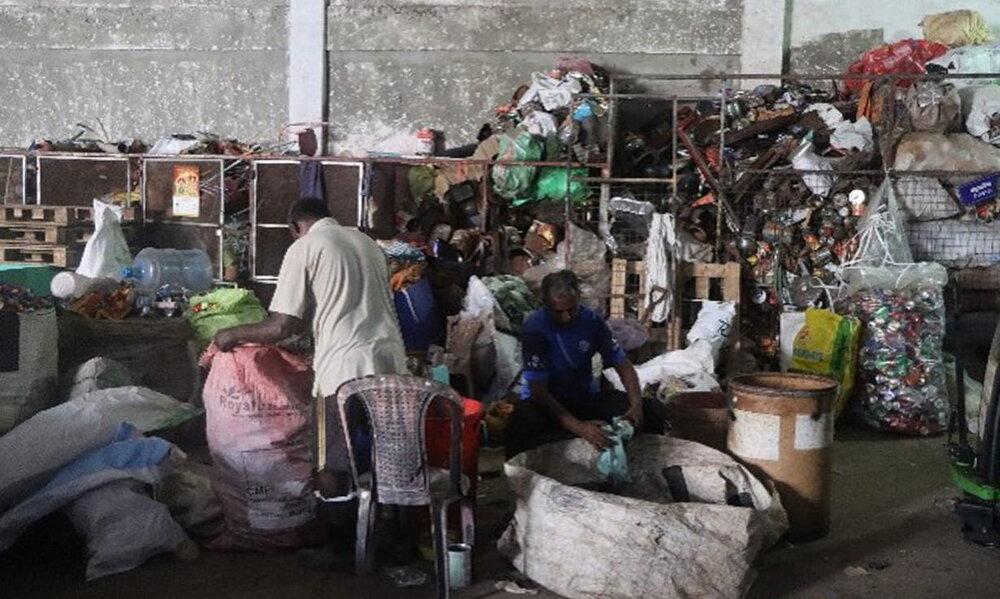
Participants travelled to field sites in Sri Lanka to observe waste management and methane mitigation practices in operation, giving delegates a first-hand view of the technologies and institutional arrangements discussed during the technical sessions.
Event Details
SACEP Headquarters, Colombo, Sri Lanka
IGES Centre Collaborating with UNEP on Environmental Technologies
2108-11 Kamiyamaguchi, Hayama, Kanagawa, 240-0115 Japan
Phone: +81-46-855-3840
https://ccet.jp/