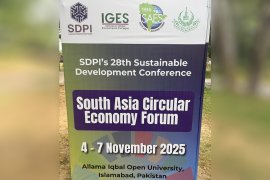
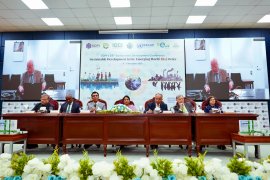
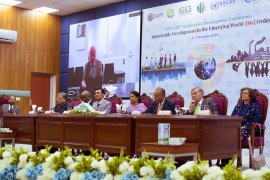
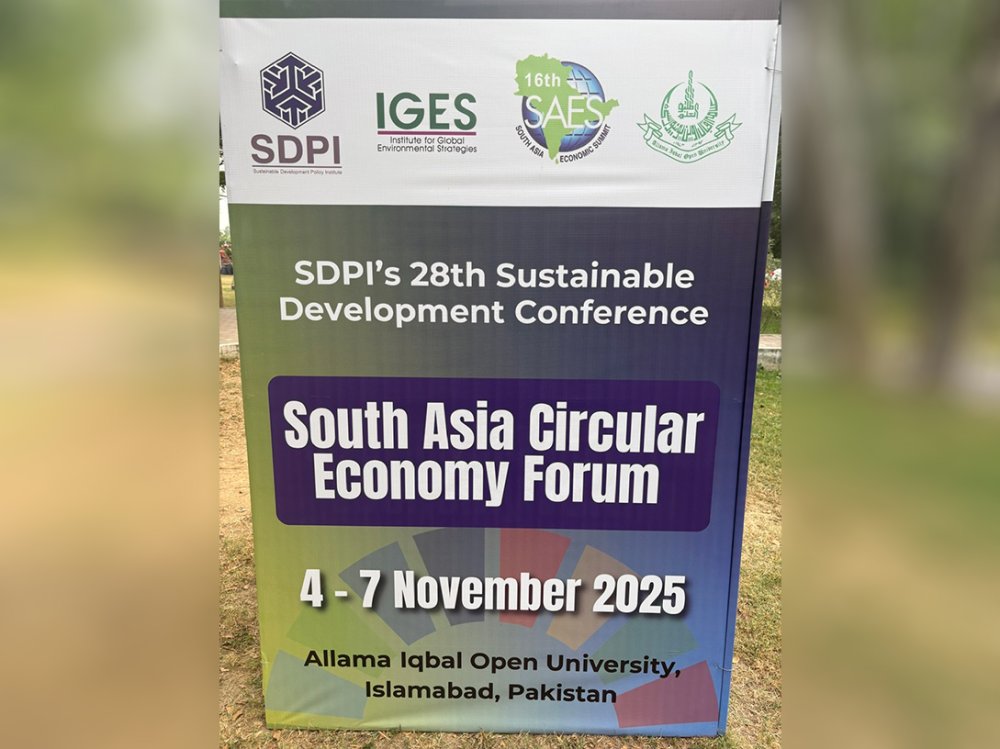
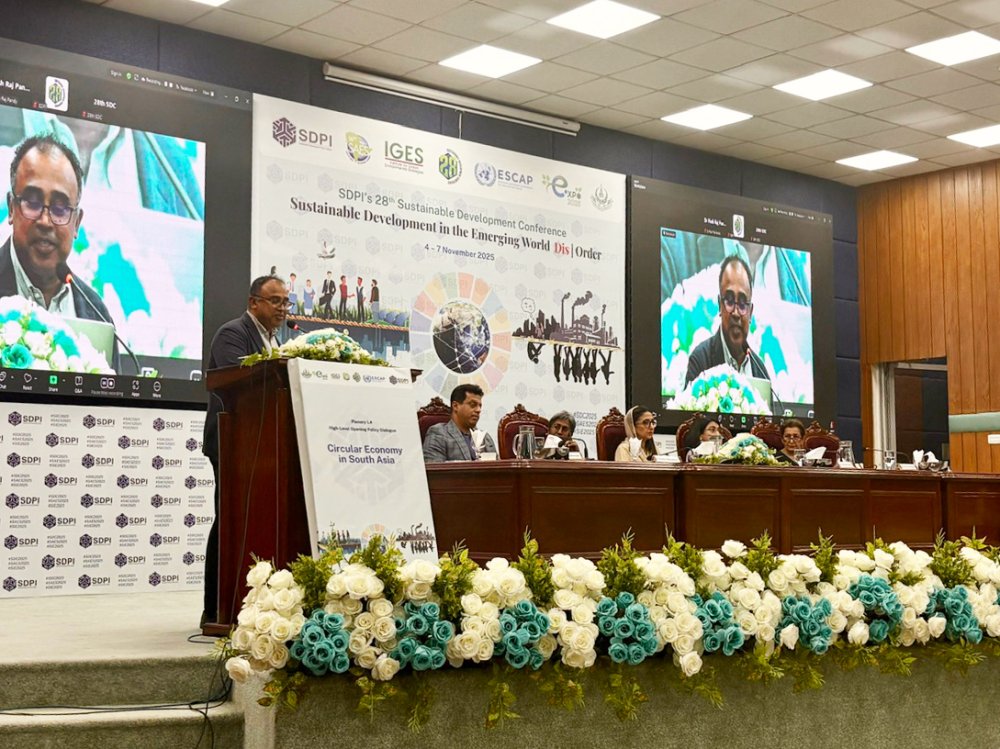
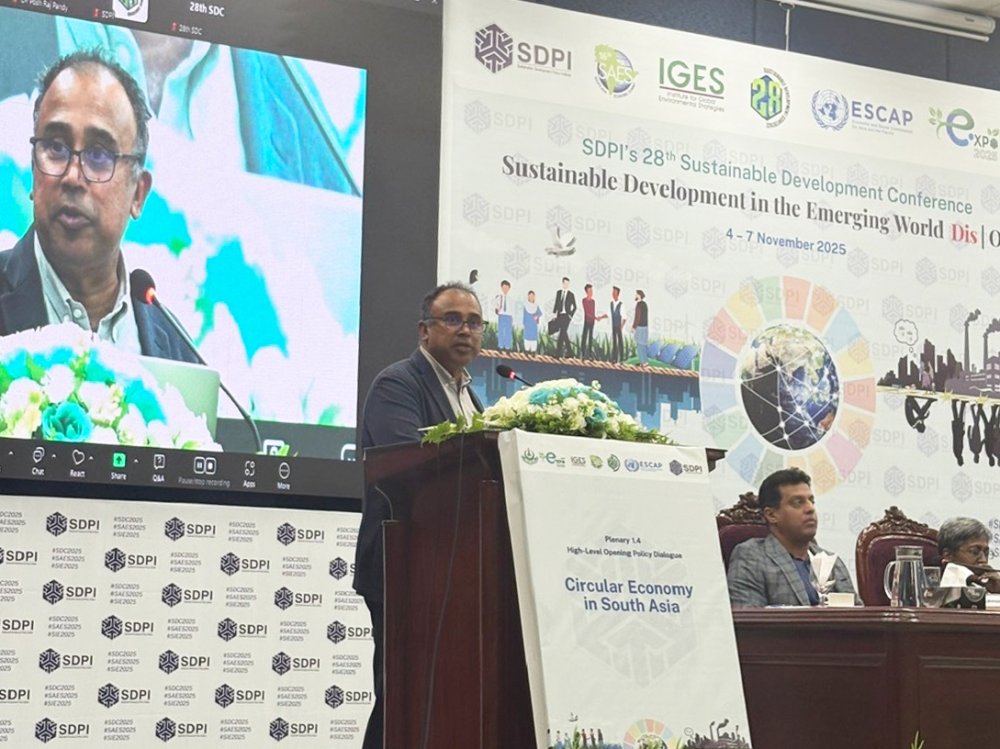
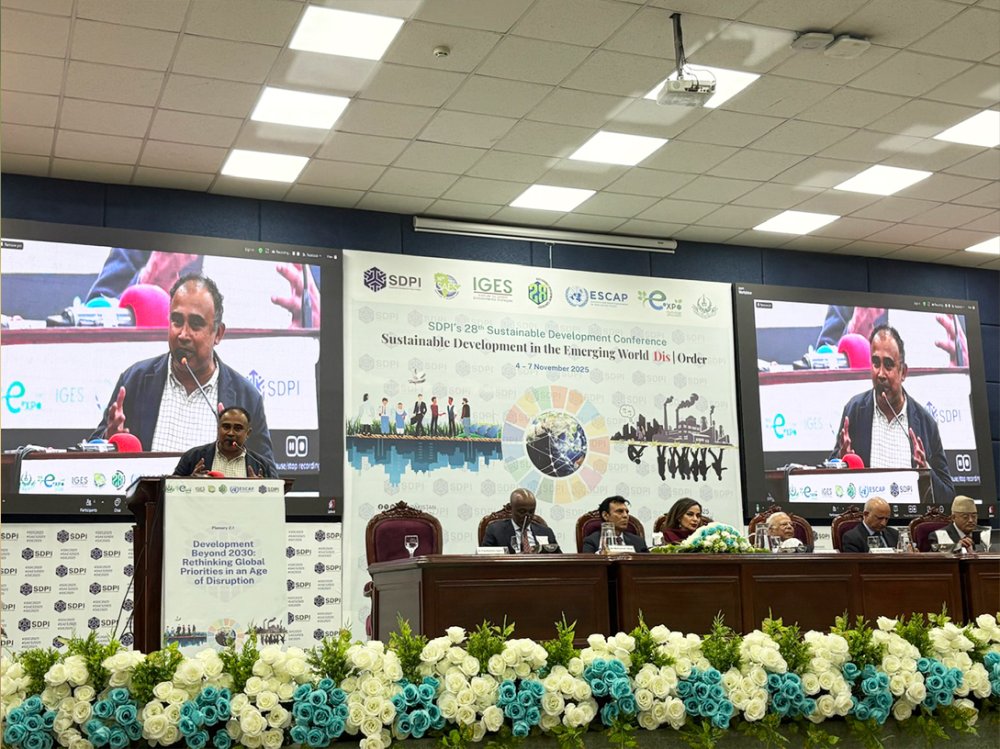
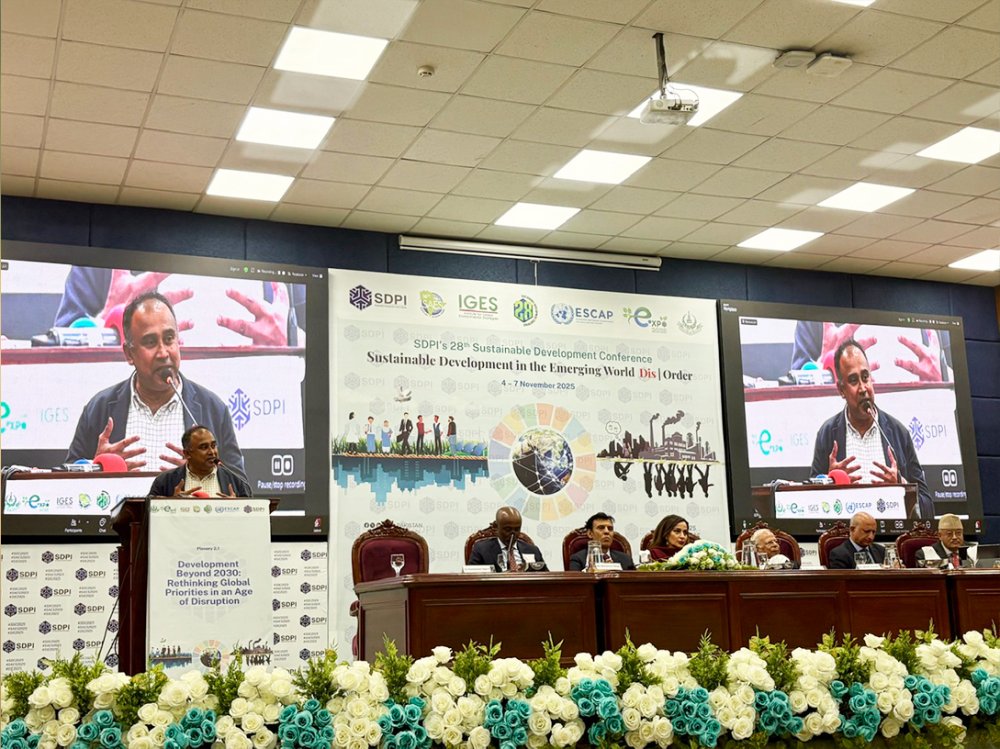
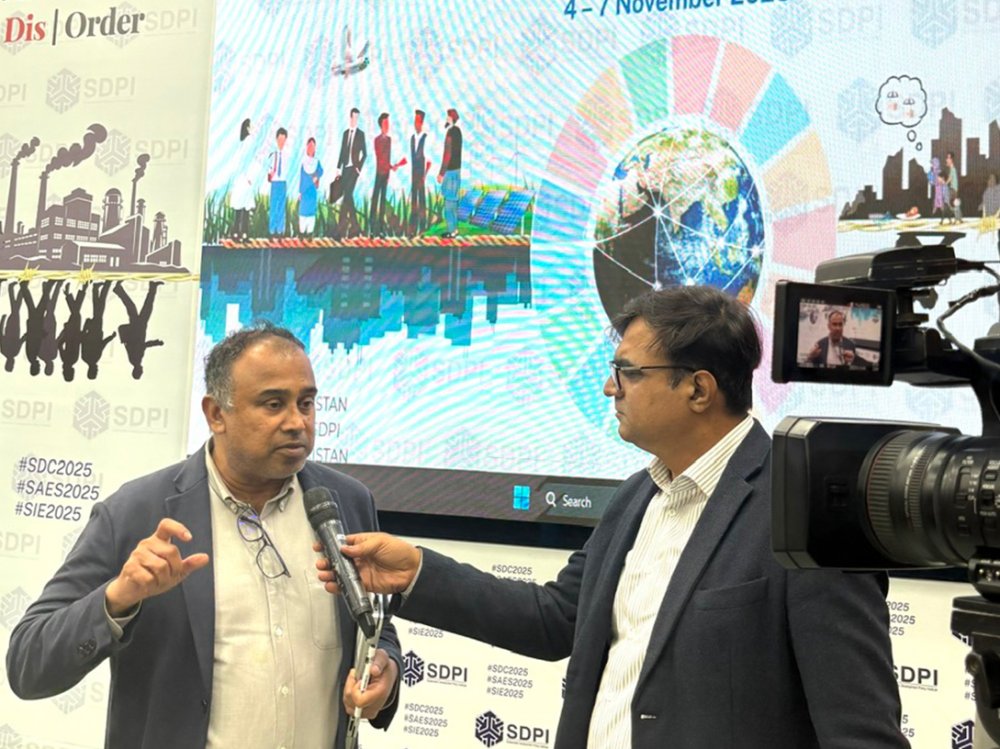
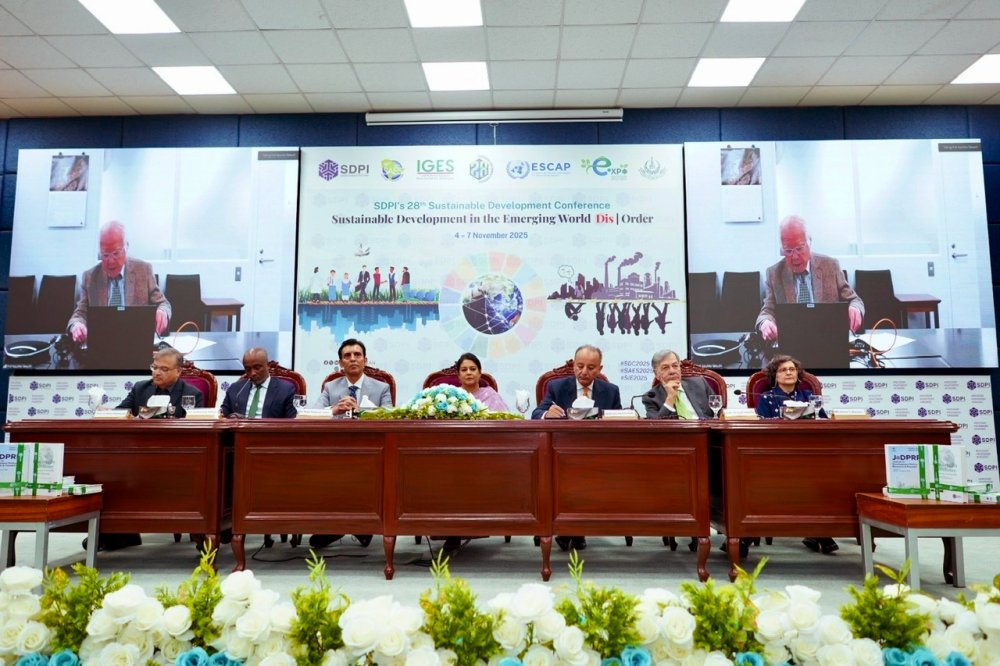
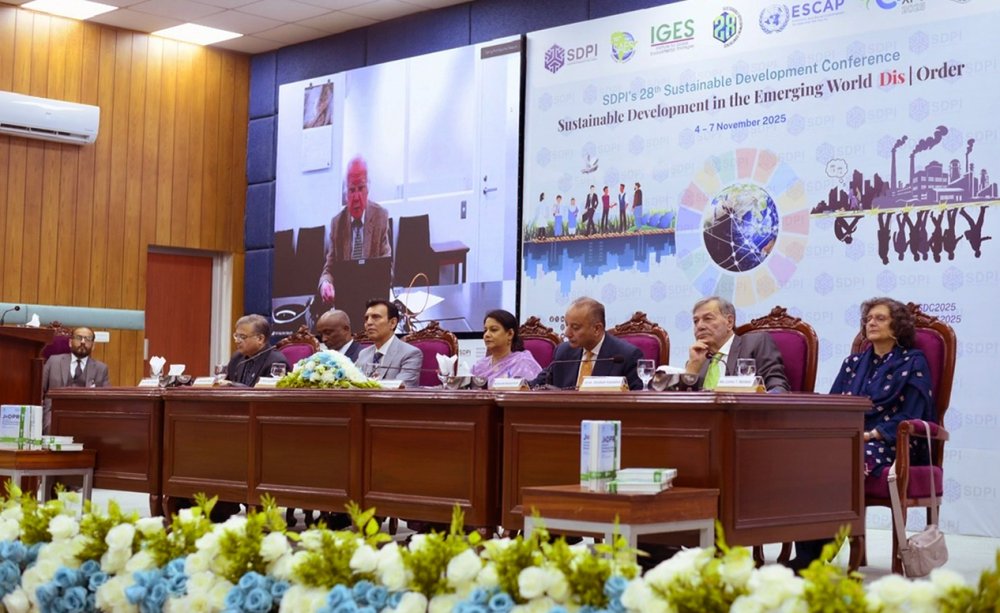
The 16th South Asia Economic Summit (SAES), focusing on "Exploring Innovations and Policies in the Circular Economy" successfully concluded after four days of intensive dialogue from 4 -7 November2025 at Allama Iqbal Open University (AIOU) in Islamabad, Pakistan. Organised as part of the 28th Sustainable Development Conference (SDC), the Summit was co-organised by the IGES Centre Collaborating with UNEP on Environmental Technologies (IGES-CCET), in partnership with the Sustainable Development Policy Institute (SDPI), the UN Economic and Social Commission for Asia and the Pacific (UNESCAP), and other development partners.
The event convened over 100 participants from government, the private sector, civil society, academia, and youth organisations across South Asia. It marked a significant milestone in the regional dialogue on transitioning from a linear "take-make-dispose" model to a circular economy, emphasising the critical synergies between circularity, climate action, and sustainable development.
Key discussions focused on practical solutions for transformative change, including:
- Innovative policies and financing mechanisms
- Integration of SMEs and the informal waste sector into formal circular economy systems
- National and local challenges and opportunities
- The need for robust regional cooperation and institutional adaptability
By fostering multi-stakeholder engagement, the Forum provided a platform to rethink economic models and promote inclusive, resilient, and sustainable development pathways for South Asia.
▶ Summary
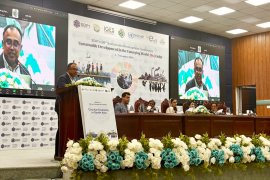
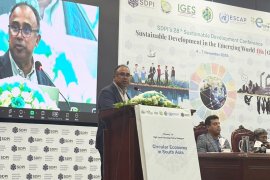
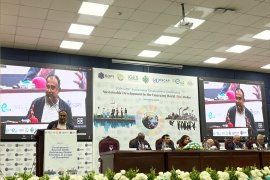
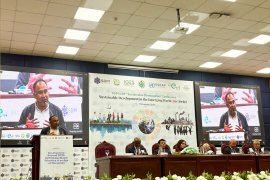
IGES-CCET contributed four sessions within the South Asia Circular Economy Forum, including the Opening Plenary, where Prof. Kazuhiko Takeuchi served as an invited speaker at the Opening Plenary of the Sustainable Development Conference. He called for greater synergies between the Circular Economy, Climate Action, and the SDGs, highlighting nature-based solutions, circular models, and integrated policy frameworks as key to addressing the region’s environmental challenges. His remarks were delivered alongside distinguished speakers including Ambassador Shafqat Kakakhel (Chairperson, Board of Governors, SDPI), Dr. Abid Qaiyum Suleri (Executive Director, SDPI), Prof. Dr. Nasir Mahmood (Allama Iqbal Open University), Dr. Musadik Masood Malik (Federal Minister for Climate Change, Pakistan), H.E. Ms. Syeda Rizwana Hasan (Advisor, Ministry of Environment, Forest and Climate Change, Bangladesh) , and Mr. Mohamed Yahya UN Resident and Humanitarian Coordinator, Pakistan).
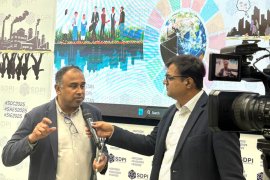
Following the open plenary, Dr. Premakumara Jagath Dickella Gamaralalage, Director of IGES-CCET, delivered scene-setting remarks at the High-Level Opening Policy Dialogue on Circular Economy in South Asia and participated in high-level panels on Development Beyond 2030 and Mobilising Finance for a Circular, Climate-Resilient South Asia. Dr. Premakumara highlighted the transition to a circular economy is not just an environmental necessity for South Asia, but a profound economic and social opportunity. He also emphasized that “Our focus must be on building inclusive, climate-resilient systems, mobilising blended finance through mechanisms such as a South Asia Circular Finance Facility, and empowering the informal sector as a key driver of transformative change.”
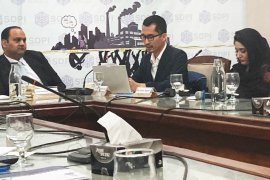
Dr. Pham Ngoc Bao (Research Director, SCP, IGES) contributed to the Session on: “Designing the Transition to a Circular Economy in South Asia,” moderated by Dr. Shunichi Honda (Programme Officer, UNEP-IETC), with special remarks from Mr. Dhani Ram Sharma (Joint Secretary, Ministry of Finance, Nepal). Fellow speakers included Dr. Lakmini Fernando (Research Fellow, IPS, Sri Lanka) and representatives from the private sector. Dr. Bao presented preliminary findings from IGES-CCET’s research on the Circular Economy in South Asia, emphasising the importance of Extended Producer Responsibility (EPR, a policy approach that makes producers responsible for the entire lifecycle of their products, including post-consumer waste management. He also emphasized the engagement of SMEs and the informal sector, and the need of strong partnerships as critical enablers of the region’s transition toward circular systems.
IGES-CCET also co-organised the Session on: “Just Transition and Circular Economy: Integrating the Informal Sector in South Asia,” where Mr. Imran Javed, Programme Manager of the Akhtar Hameed Khan Foundation (AHKF), shared practical experiences from Sahiwal City, Pakistan. He showcased how IGES-CCET supported the development of a City Waste Management Plan that formally incorporated informal sector workers. This grounded example provided a valuable basisn for advanced discussions on inclusive and locally driven circular economy transitions.
Event Details
Allama Iqbal Open University (AIOU)